case study

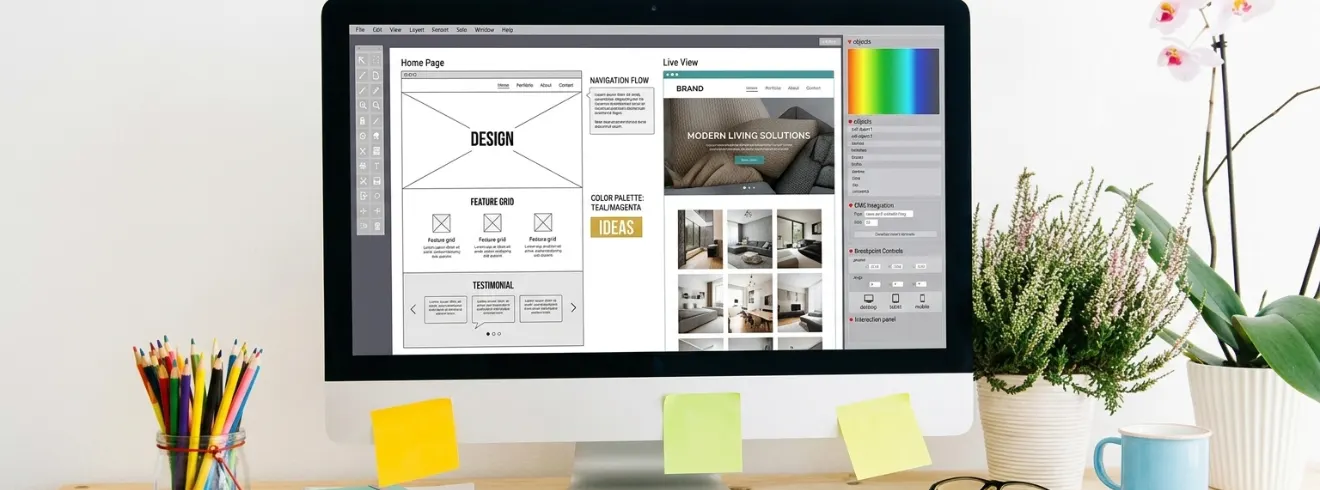
Good design converts better because it aligns with how people think and decide online. Understanding the psychology of design explains how design influences user behaviour, and shows how UI, structure, and visual clarity reduce friction and improve conversions. It also highlights why brands that treat design as a strategic system outperform those that treat it as decoration.
People come and go on a webpage. Sometimes a little too quick. Within seconds, they make decision whether to trust a brand, stay on a page, or leave. Did you know that it is not a rational decision, but is based on instincts. This is where the psychology of design plays a critical role in conversion outcomes.
The graphics team at Blacklisted is well aware of how this works. Take it from our experts that good design does not rely on aesthetics alone. It works because it reduces doubt, guides attention, and makes decisions feel easier.
Let’s understand how good designs lead to better conversion for brands that understand design psychology.
When users land on a website, their brain automatically starts looking for safety signals. These signals include page layout, spacing, typography, and consistency that influence whether the brand feels credible.
A clean interface suggests competence, whereas a poor structure introduces uncertainty. Even before users read content, visual communication influences whether they trust what they see.
This is why experienced teams treat creative design as a strategic layer, not a visual afterthought. Design must support trust before it can support conversion.
Every additional choice creates mental effort. Complex menus, crowded layouts, and unclear CTAs increase cognitive load and reduce action.
Effective UI/UX design simplifies the journey by clarifying what matters most. When users do not have to think hard, they move forward more confidently. Lower effort leads to higher conversions.

Users scan pages instead of reading them fully. The strong hierarchy connects visual elements through layout design, spacing, and contrast to achieve effective visual communication. The visual hierarchy directs users’ attention first to important elements and then to subsequent content.
When this hierarchy is missing, users feel lost. Naturally, when it is present, action becomes intuitive.
Based on this, high-performing creative designs always define a reading path instead of just filling empty spaces.
Typography determines how readers will experience the information. People have difficulty understanding content because of bad font selections, which create reading difficulties. The use of readable typography establishes a continuous reading experience which helps readers trust the content. The fundamental design principle of design psychology states that reading difficulty affects how people perceive the text’s credibility. Creative design maintains both brand recognition and design clarity when typography matches brand identity.
People often misunderstand colour psychology because they fail to recognise its true purpose. Colours are not chosen randomly; they form an architectural structure within design that guides how users see and interact with a product.
In UI/UX design, colour plays a key role in highlighting actions, defining section boundaries, and improving accessibility. When used correctly, it strengthens visual communication, reduces confusion, and guides users smoothly through a website or interface. This structured use of colour not only improves user experience but also helps a digital marketing agency create designs that drive engagement and lead to better conversion rates.
Forms serve as primary user exit points because their excessive fields, confusing labels and unexpected single-field requests create user anxiety.
The design which converts users into customers starts by showing possible user delays. It shows users what to do next while making their tasks easier and providing them with comfort. This design demonstrates how psychological principles of design work in practice.
User interface and user experience design create trust through form handling, which extends beyond basic technical functions.
Users require validation before acting. Testimonials, reviews, and proof points help validate decisions. The location of social proof displays requires a specific approach. Social proof needs to be displayed at points where people experience doubt. Visual elements establish trustworthiness when used properly because they do not seem like advertisements.
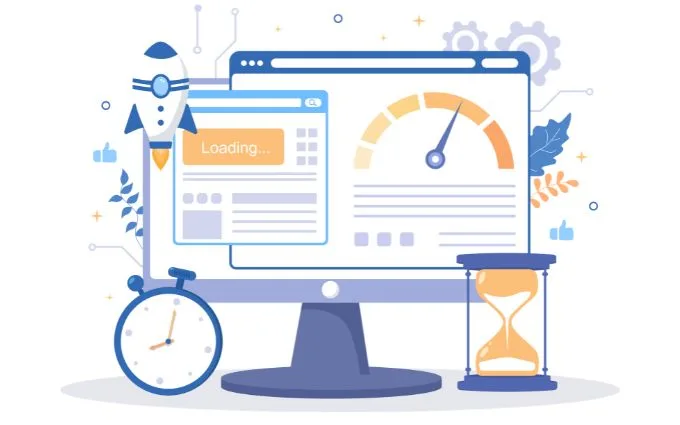
Slow websites feel unreliable. Even short delays create frustration and doubt. Speed is a psychological factor. Fast-loading pages feel professional and trustworthy. This is why performance is part of the psychology of design, not just development.
A Creative Branding Agency like Blacklisted understands conversion and treats speed as a design responsibility.
Most users browse on mobile devices. Their behaviour is different.
Mobile-friendly UI/UX design prioritises thumb reach, scroll flow, and clarity. When mobile layouts ignore real behaviour, friction increases and conversions drop.
The trustworthiness of a website increases when visitors experience consistent design across its pages and its different online platforms.
The user experience needs to maintain a social media interface when visitors switch from social media to the website. The recognition of a brand increases when its creative design elements stay the same throughout its various products. Customers trust brands that they already know because those brands make them feel secure, which leads to better sales results for those brands.
We at Blacklisted establish our branding and design elements and user interface patterns through consistent implementation across all customer interaction points instead of developing each element separately.
Good design decisions are tested, not guessed. Blacklisted typically validates design changes through user behaviour signals like heatmaps, scroll depth, and A/B testing before scaling decisions.
The combination of heatmaps and scroll depth data, together with A/B testing, helps to demonstrate the actual ways users interact with web pages. The design psychology principles get validated through these insights, which show their effectiveness in real-world situations. The process of making incremental changes based on user behaviour leads to enhanced conversion rates and better user experiences.
The design performs better because it matches the ways people think and make decisions. The design provides clear pathways which help users make decisions without uncertainty. Users trust systems which design visual elements to communicate information. The design of UI and UX elements creates a seamless experience for users.
Brands that understand design psychology treat design as more than decorative elements. They treat it as a system that guides attention, builds confidence, and supports action. The difference between visually appealing pages and conversion-successful experiences.

We are your go-to source for everything digital. We cover marketing tips, design trends, new tech, and how to build your brand. Every post has useful information to keep you updated and ready to tackle the digital world. It’s not just articles; it’s a way to learn, grow, and connect with others navigating the same digital journey.