case study


A successful social media marketing strategy starts with clear business goals and audience research. Focus on relevant platforms, develop useful content pillars, optimise posts for search and engage consistently. Combine organic content with paid campaigns, use AI thoughtfully and measure enquiries, conversions and revenue rather than followers alone.
Just because you post regularly on Instagram or LinkedIn doesn’t mean your brand has a strategy. You might get views, likes and even a few viral posts but are they helping your business grow?
An effective social media marketing strategy in 2026 connects what you post with what your audience needs and what your business is trying to achieve. It’s about choosing the right platforms, creating content that is relevant, engaging with people and measuring outcomes beyond follower counts.
Here is how to build a strategy that works.
Find out what’s already working before you decide what to post next.
A social media audit helps you identify the right platforms for your audience, the types of content that generate interest and where potential customers lose interest.
Review your performance over the past 60–90 days. Consider the following:
For example, a business might find that the educational carousels it posts on Instagram are bringing more traffic to its site than its promotional Reels. That’s a lesson it should apply to its next content plan.
An audit gives your social media strategy a starting point based on evidence. For more practical ways to improve your content and engagement, explore these social media marketing tips.
What do you want social media to actually accomplish?
Growing your follower count might sound like a goal, but it doesn’t explain how social media will help your business. Decide what you want to achieve, then decide how you will measure it. A social media management agency can help you align your social media goals with your business objectives, from increasing brand awareness to generating qualified leads and conversions.
Set SMART goals: Specific, Measurable, Achievable, Relevant and Time-bound.
| Business objective | Example of a measurable goal |
|---|---|
| Brand awareness | Increase reach among your target audience by 20% within three months. |
| Lead generation | Generate 30 qualified leads per month through LinkedIn. |
| Website traffic | Increase website visits from Instagram by 15% within 90 days. |
| Customer engagement | Reduce the average response time to comments and DMs to under four working hours. |
| Sales | Increase purchases attributed to social media campaigns by 10% within a quarter. |
These are indicative targets. Your actual goals should match your current performance, budget and business capacity.
Select one primary objective per platform. This makes it easier to know what to publish and whether your efforts are paying off.
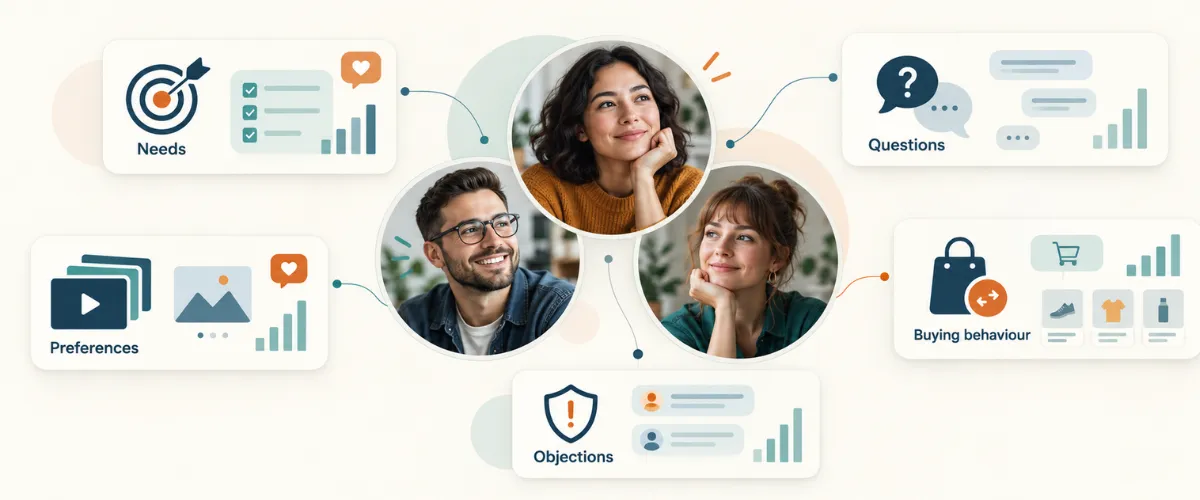
Your audience is defined by more than age (demographics) or location (geographics). Two people of the same age may have wildly different reasons for following a brand. One may be researching a purchase, while the other may be comparing prices or seeking practical advice.
To know your audience, learn about their:
Use existing customer conversations, website analytics, social insights and feedback to find answers.
For example, a skincare brand might learn that its audience cares more about ingredient explanations than product photos. That can shape its content topics and presentation.
The more you know about your audience, the more relevant your social media marketing plan will be.
You don’t need to spread your marketing budget across every platform. Different platforms suit different audience behaviours and content needs.
Where can you consistently create content that is of value to your business? Where do your potential customers hang out? That is where you need to focus.
| Platform | Where it can add value |
|---|---|
| Visual storytelling, Reels, product discovery, community engagement, creator partnerships. | |
| B2B marketing, expert insights, recruiting, lead generation. | |
| YouTube | Searchable tutorials, demos, product reviews and educational videos. |
| Local communities, events, client engagement and targeted advertising. | |
| Visual discovery, inspiration and evergreen content for lifestyle-focused brands. | |
| X | Industry discussions, timely updates and real-time conversations. |
A B2B software company may want to focus on LinkedIn and YouTube, while a restaurant may do better on Instagram and Facebook.
Start with one or two key platforms. Expand only if your team can maintain content quality and meaningful engagement.
If Instagram is a priority channel, explore these Instagram Reels trends to find content ideas that fit your audience.
AI tools can accelerate social media workflows, especially for teams managing multiple platforms.
They can help generate initial ideas, organise research, prepare draft captions and find patterns in performance data.
Publishing content created by AI without editing could make a brand sound generic.
Use AI for:
Keep people responsible for creative direction, factual accuracy, tone and final sign-off. Content is king, but in 2026 it’s not just about publishing lots of posts; it’s about creating original content.
To improve content discovery on Instagram, explore these Instagram trending hashtags to find relevant hashtags for your content strategy.
A post with hundreds of likes may seem like a success. But what happens next when someone asks a question or sends an enquiry?
Social media is a two-way communication channel.
Brands should pay attention to comments, direct messages, reviews and feedback from consumers. Prompt and helpful answers can turn casual interest into a meaningful conversation.
Think about these practices:
Researching top YouTube searches can also help you identify relevant video topics and audience interests.
A well-handled direct message can bring in more revenue for service businesses than thousands of passive impressions.
Community management must be part of the strategy, not an afterthought.
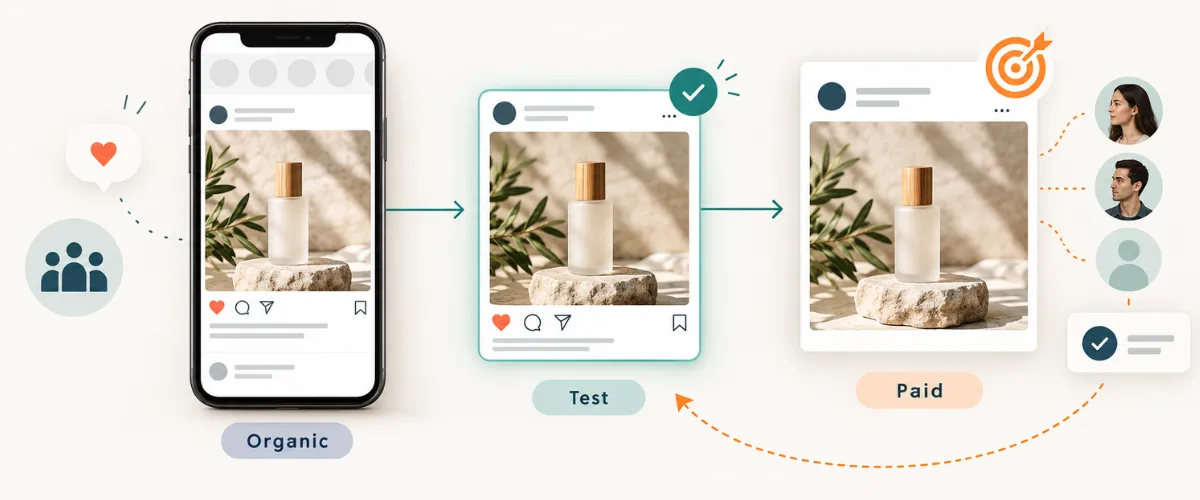
Paid and organic social media serve different purposes.
Use organic content to build familiarity, demonstrate expertise and maintain relationships. Paid campaigns are useful for targeting specific audiences and generating leads or sales. For a more comprehensive approach to digital visibility, explore our SEO strategy to understand how organic search can complement your social media marketing efforts.
It’s a good idea to test your messaging with organic content before you spend money on advertising.
For instance:
Don’t expect an organic post that performs well to automatically translate into sales as an ad. Test the offer, the audience, and the conversion journey separately.
Paid distribution should be used to amplify a good strategy, not to make up for unclear messaging.
Influencer marketing can help brands reach communities that already trust specific creators.
However, picking someone simply because they have a large following can lead to disappointing results.
Evaluate potential collaborators based on:
A smaller creator with an audience in the area your business serves might offer more valuable exposure than a national personality.
Agree on deliverables, usage rights and proper advertising disclosures before the campaign kicks off.
The aim is to make collaborations relevant to the audience, rather than just shoehorning a promotional message into something unrelated.
A social media strategy should evolve as you collect performance data. Instead of judging success by a single viral post, look for patterns across several weeks or months.
Measure performance at different stages:
| Stage | Metrics to monitor | What they tell you |
|---|---|---|
| Discovery | Reach, impressions, video views | Whether people are finding your content |
| Engagement | Comments, shares, saves, watch time | Whether the content is useful or interesting |
| Action | Website visits, link clicks, enquiries | Whether people are taking the next step |
| Business results | Qualified leads, purchases, acquisition cost, revenue | Whether social media contributes to growth |
It’s also possible to have a good strategy and fail to execute it well or in a way that’s in sync with the business.
Be aware of these common mistakes:
Any successful strategy must be consistent, but must also be flexible enough to improve when the evidence suggests a better way.
In 2026, a successful social media marketing strategy is all about having clear goals, relevant platforms and content that people really find useful.
First, know your audience. Then set a regular publishing schedule and make time for real conversation. Use social media performance data to optimise your approach and tie social media efforts to overall business outcomes. It’s not about posting more. It’s about giving each post a clear purpose.
You might consider a social media management agency if your in-house team lacks the time or specialist knowledge to handle these tasks on a consistent basis.
At Blacklisted, we treat social media as part of a bigger brand and marketing strategy. This means thinking about how content, creative direction, influencer collaborations and performance marketing work together, not treating each post as a standalone activity.
Got a plan in mind? Need help with building one? Let’s talk about what makes sense for your business.

We are your go-to source for everything digital. We cover marketing tips, design trends, new tech, and how to build your brand. Every post has useful information to keep you updated and ready to tackle the digital world. It’s not just articles; it’s a way to learn, grow, and connect with others navigating the same digital journey.