case study


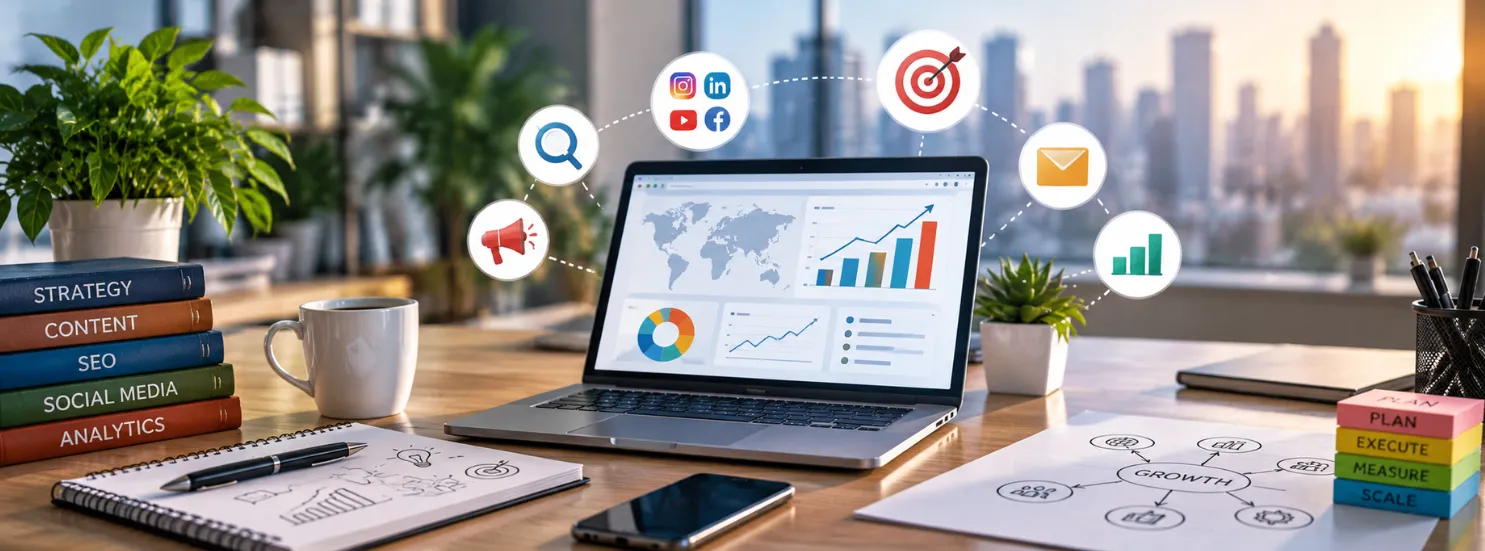
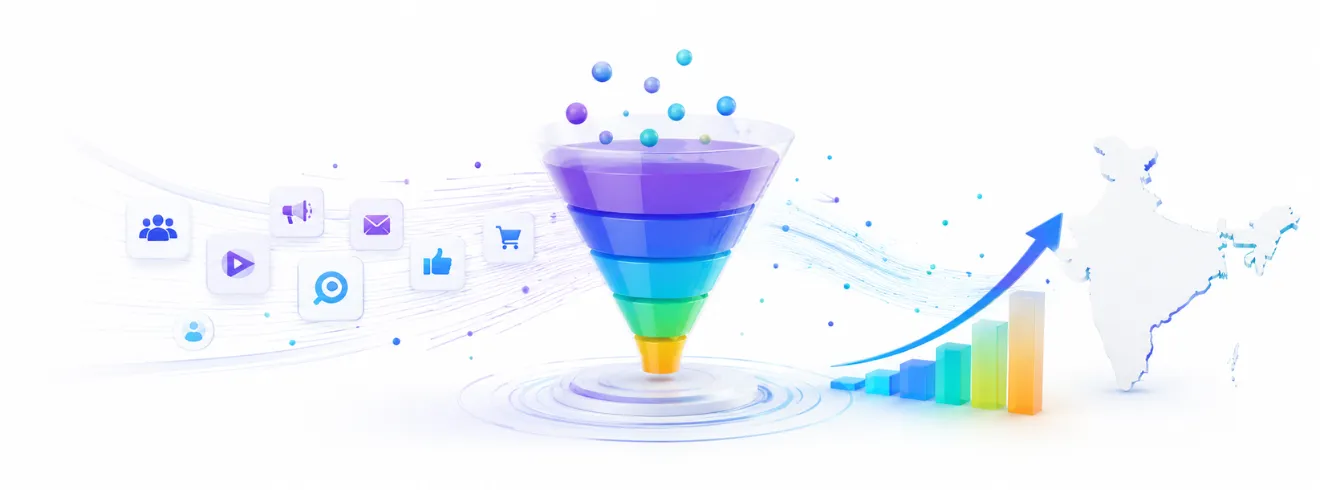
Performance marketing focuses on campaigns where results like clicks or sales are directly measurable. It uses channels such as paid search, social ads, and affiliate marketing to deliver targeted outcomes. This approach lets businesses control spending based on actual performance, making marketing efforts more accountable and efficient.
Performance marketing is a digital marketing approach focused on measurable results such as clicks, leads, sales, and conversions. Unlike traditional marketing, it allows businesses to track campaign performance and optimise strategies based on real-time data to achieve better ROI.
This guide explains what performance marketing is, how it works, and the key channels businesses use, including paid search, social media advertising, affiliate marketing, and display advertising to drive growth and maximise results.
Performance marketing focuses on creating and optimising campaigns based on specific business goals rather than only increasing brand visibility. It allows marketers to evaluate which strategies, platforms, and ads deliver the best outcomes by analysing key metrics such as conversion rate, cost per acquisition (CPA), return on ad spend (ROAS), and customer acquisition cost (CAC).
Unlike traditional advertising methods where results can be difficult to measure, performance marketing provides detailed insights into campaign effectiveness. Businesses can identify high-performing channels, allocate budgets efficiently, and continuously improve campaigns to generate better results. A paid marketing agency helps businesses plan, manage, and optimise data-driven advertising campaigns to maximise conversions, improve ROI, and achieve measurable growth. It focuses on managing paid campaigns across platforms like Google Ads and social media to drive targeted traffic, generate qualified leads, and increase revenue.
| Aspect | Performance Marketing | Brand Marketing | Advertising |
|---|---|---|---|
| Primary Goal | Drive measurable actions such as leads, sales, clicks, and conversions. | Build brand awareness, trust, reputation, and long-term customer relationships. | Promote products, services, or messages to reach a target audience. |
| Focus | Results, performance metrics, and return on investment (ROI). | Brand identity, customer perception, and emotional connection. | Audience reach, visibility, and promotional communication. |
| Measurement | Measured through KPIs such as CPA, ROAS, conversion rate, and revenue. | Measured through brand awareness, engagement, recall, and customer loyalty. | Measured through impressions, reach, engagement, and campaign response. |
| Approach | Data-driven and optimised based on campaign performance. | Long-term strategy focused on building a strong market presence. | Communication-focused approach to promote offerings and attract customers. |
| Examples | Google Ads, social media ads, affiliate marketing, and conversion campaigns. | Brand storytelling, content marketing, PR, and community building. | TV ads, display ads, print ads, social media promotions, and search ads. |
Several channels contribute to the success of performance commercialisation, each designed to reach different audiences and trigger specific actions. Understanding these channels helps businesses choose the right platform based on their goals.

Pay-per-click (PPC) is one of the most common forms of performance promotion. Advertisers bid for ad placements on search engines or other platforms, and they only pay when users click on their ads. Google Ads and Bing Ads are prime examples of PPC platforms.
For example, if you search for “best marketing agency” on Google, the top results are often paid ads. These companies pay only when you click their ads, which leads you to their website or landing page. For businesses looking to manage their PPC campaigns effectively, a paid marketing agency can optimise your bids and increase click-through rates.

Affiliate marketing involves partnering with influencers or websites to promote products or services in exchange for a commission on sales or leads. This performance-based approach ensures that businesses only pay when an actual conversion happens.
For example, E-commerce sites like Amazon use affiliate marketing by allowing bloggers or social media influencers to promote their products. The affiliate earns a commission for every sale made through their referral link, making it a win-win situation for both parties.

Many social media platforms, such as Facebook, Instagram, and LinkedIn, provide access to specific demographics and interested people through social media advertising. Thus, brands pay for the action taken on those advertisements, such as clicking, video views, or lead generation, based on the campaign objective.
For example, a fashion brand can run targeted Instagram ads to reach interested users and pay only for clicks. A paid marketing agency can optimise these campaigns, while social media management services help improve engagement and maintain a strong brand presence.

Native advertising is a type of paid content that blends seamlessly into the platform it’s published on, such as news sites or social media. Unlike traditional ads, native ads look and feel like editorial content, encouraging users to engage with the material naturally.
For example, sponsored articles that appear on news websites under “Recommended Reads” are native ads. Readers might not initially realise they’re ads, but because of their non-intrusive nature, they drive engagement and clicks.

Influencer marketing leverages the power of social media influencers to promote products or services. Brands partner with influencers who have large or highly engaged followings, paying them based on performance metrics such as clicks, sales, or leads generated from their posts.
For example, a beauty brand might collaborate with a popular Instagram influencer to promote their new product. If the influencer’s post drives traffic to the brand’s website or generates sales through a special promo code, the brand compensates the influencer accordingly.

Programmatic advertising automates the buying and selling of ad space through a real-time bidding process. It uses algorithms and data analytics to target the right audience at the right time, ensuring businesses pay for impressions or clicks that are most likely to lead to conversions.
For example, when you see ads that seem personalised based on your recent browsing behaviour, they are often programmatically placed. Programmatic advertising offers highly targeted, data-driven ads, making it a vital tool for a paid marketing agency looking to optimise performance.
The best performance marketing channels that you need to select will strictly depend on your business objectives, target market, and budget. Some of the key aspects to be considered are as follows.
| Step | What to Do | Why It Matters |
|---|---|---|
| Know Your Audience | Research where your target customers spend time online and identify the platforms they use most. | Helps you select the right channels, such as social media advertising, influencer marketing, or paid campaigns. |
| Set Clear Goals | Define whether your goal is increasing traffic, generating leads, improving sales, or boosting conversions. | Clear goals help you choose suitable performance marketing channels and measure success effectively. |
| Consider Your Budget | Evaluate the investment required for different channels, including PPC, affiliate marketing, and paid advertising. | Allows you to allocate resources efficiently and select channels that match your budget. |
| Test and Optimise | Monitor campaign performance, analyse data, and make improvements based on results. | Helps identify high-performing strategies and improve overall campaign ROI. |
| Use Multiple Channels | Combine channels like PPC, social media advertising, and display campaigns for better reach. | A multi-channel approach improves visibility, engagement, and conversion opportunities. |
Performance marketing helps businesses achieve measurable growth by focusing on results such as leads, conversions, and ROI. With the right channels, data-driven strategies, and continuous optimisation, businesses can improve campaign performance and reach their target audience effectively.
At Blacklisted Agency, we help businesses create result-driven performance marketing strategies that combine paid campaigns, audience targeting, and analytics to maximise growth. Partner with our experts to turn your marketing efforts into measurable business outcomes.

We are your go-to source for everything digital. We cover marketing tips, design trends, new tech, and how to build your brand. Every post has useful information to keep you updated and ready to tackle the digital world. It’s not just articles; it’s a way to learn, grow, and connect with others navigating the same digital journey.