case study

Online growth stalls when visibility, messaging, website experience, content and conversion do not work together. To grow consistently, identify the biggest bottleneck first, fix it, measure the outcome and then scale what works.
To grow your business online, you need more than regular social media posts, paid ads or a polished website. You need the right audience to find your brand, understand your value, trust your business and take action. When traffic, leads, or sales are not improving, the problem is often a gap between visibility, messaging, website experience, and conversion.
The fastest way to identify what is holding you back is to look at the complete customer journey. Your digital marketing strategy should connect SEO, content, creative, website and paid campaigns around a clear business goal not treat each channel as a separate task.
If you want to grow your business online, this guide breaks down the common problems that may be slowing your growth, how to identify the biggest bottleneck and what to fix before investing in another marketing channel.
One of the main reasons businesses struggle to grow their business online is that their marketing activities are not working together. Regularly publishing content, running ads or improving social media may create activity, but without a clear goal and connected customer journey, that activity does not always lead to growth.
A business can get attention from an ad, send someone to its website and still lose the opportunity because the message, offer and next step do not connect. This creates a fragmented customer journey where each channel works independently instead of moving people towards a decision.
A strong digital marketing strategy connects five key areas:
It’s easier to diagnose marketing when these parts are linked. When they don’t, every channel can look busy while the business stays stuck.
At Blacklisted, we start here because adding more marketing to a disconnected system generally creates more activity, not more growth.
| Step | What to Do | Why It Matters |
|---|---|---|
| 1. Define Your Audience | Identify who you want to reach, what they need and what influences their decisions. | Helps your marketing reach people who are more likely to become customers. |
| 2. Set Clear Goals | Choose measurable goals such as qualified leads, sales, enquiries or website conversions. | Gives your digital marketing strategy a clear direction. |
| 3. Improve SEO | Target relevant search intent with useful content, optimized pages and strong internal linking. | Helps the right audience discover your business through search. |
| 4. Strengthen Your Website | Make your offer, value proposition, proof and calls to action easy to understand. | Turns website visitors into enquiries, leads or customers. |
| 5. Create Useful Content | Answer customer questions, address objections and create content for different stages of the buying journey. | Builds visibility, trust and decision-making confidence. |
| 6. Use Paid Marketing Strategically | Match targeting, creative, offers and landing pages before increasing ad spend. | Helps generate faster reach without wasting budget on poor-fit traffic. |
| 7. Measure and Improve | Track qualified traffic, leads, conversions and revenue—not just clicks or impressions. | Shows what is working and where to improve your online growth. |
More traffic looks good on a report. But if those visitors are not the people who need your product or service, the numbers do not mean much.
This is where keywords in SEO matter. Ranking for a keyword simply because it has high search volume does not mean it will bring you customers. The better approach is to understand what your audience is actually searching for and whether those searches have a real connection to your business.
To grow your business online, your SEO strategy should consider:
This is how we approach search at Blacklisted. As an SEO agency, we focus on useful visibility rather than rankings in isolation. Search should connect a business with genuine demand.
That distinction matters when the goal is to grow your business online, not simply increase website sessions.
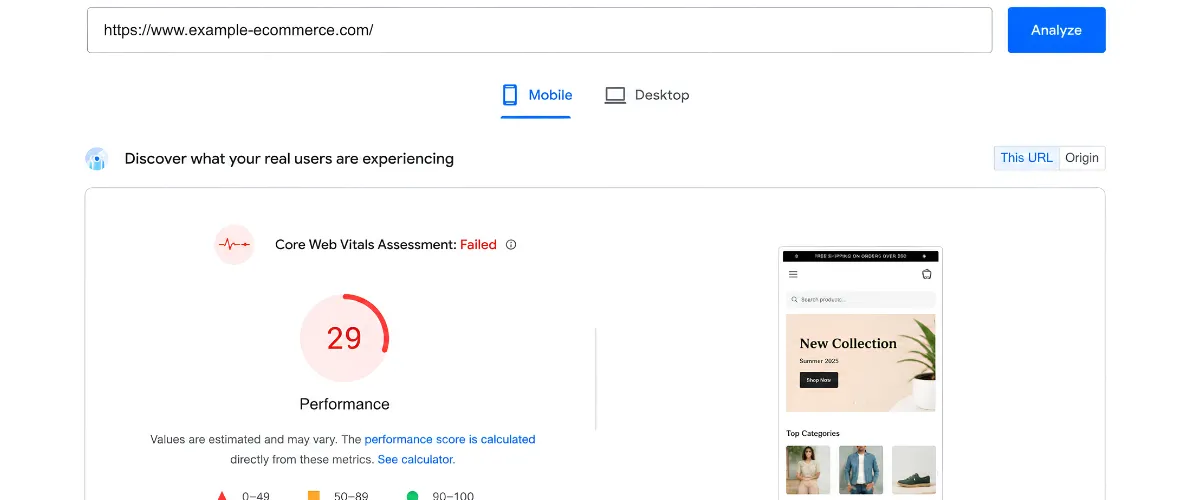
A modern-looking website can still cause people to leave. Traffic is just half the job. If visitors cannot understand the offer, find proof or figure out what to do next, visibility will not translate into growth.
Poor mobile presentation, slow loading times and unclear calls to action can hurt website performance. But often, the bigger issue is clarity.
Every important page should be able to quickly answer these questions for visitors:
As a creative agency, we treat the website as a working business tool. It needs clarity, hierarchy, credibility and a natural route towards action.
This becomes even more important when you are investing in digital marketing services. SEO, paid campaigns, social media and content can bring people to your website, but the website needs to turn that attention into enquiries, calls or other meaningful actions.
Even a strong digital marketing strategy loses value when every campaign sends visitors to a weak destination.
Many businesses publish content simply because there is something scheduled on the calendar. But publishing regularly does not automatically make content useful. Good content should answer a real question, solve a problem, address a concern or help someone decide what to do next.
Before publishing anything, ask:
Your content should support your digital marketing strategy. Blogs can build visibility, social posts create awareness and landing pages drive action.
Related content can also work together through content clusters, helping users find relevant information and strengthening your site’s SEO structure. Learn more about content clusters and SEO.
When growth slows, increasing ad spend can feel like the obvious answer. But paid ads cannot fix a weak offer, unclear messaging or a poor landing page. They simply send more people through the same journey.
If your targeting is too broad or your landing page does not match the ad, more clicks can quickly turn into wasted budget. Before increasing your spend, look at the full path:
Each step needs to support the next. Your ad should attract the right audience, set the right expectation and lead them to a page that makes taking action easy.
As a paid marketing agency, we look beyond ad clicks and impressions. The creative, targeting, offer and landing page all need to work together to turn paid traffic into meaningful business results.
If you want to grow your business online, improving the entire customer journey can be more valuable than simply increasing your media budget.
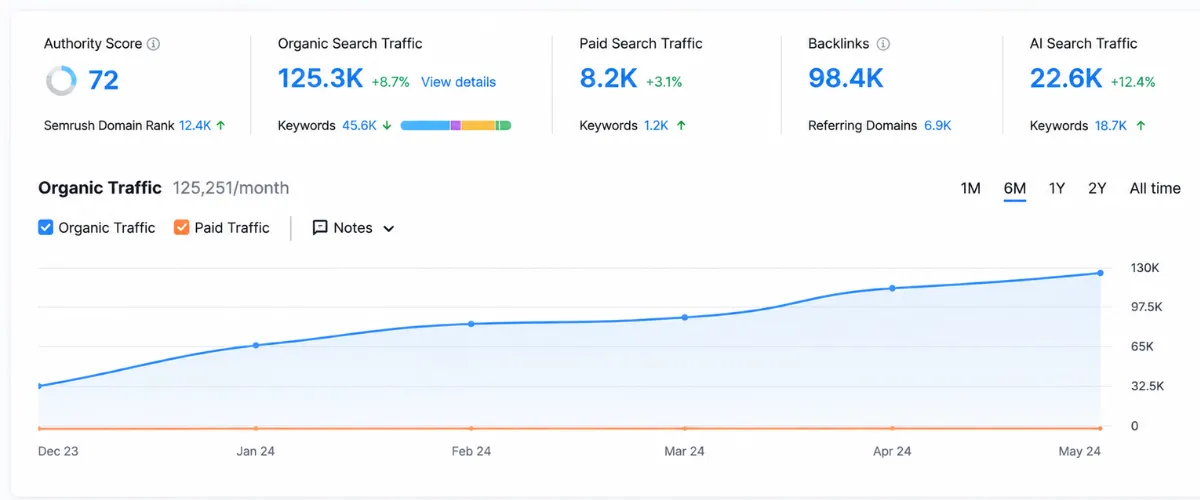
SEO can help your business attract the right audience, improve search visibility, and turn relevant website traffic into enquiries, leads, and sales. The key is targeting the right searches and connecting them with useful content, relevant landing pages, and a clear path to action.
A broad informational question can bring plenty of visitors but very few buyers. A smaller, higher-intent query may bring less traffic but create stronger business opportunities. As an SEO agency in India, we focus on search intent, landing-page relevance, content usefulness, and what visitors do after they reach your website.
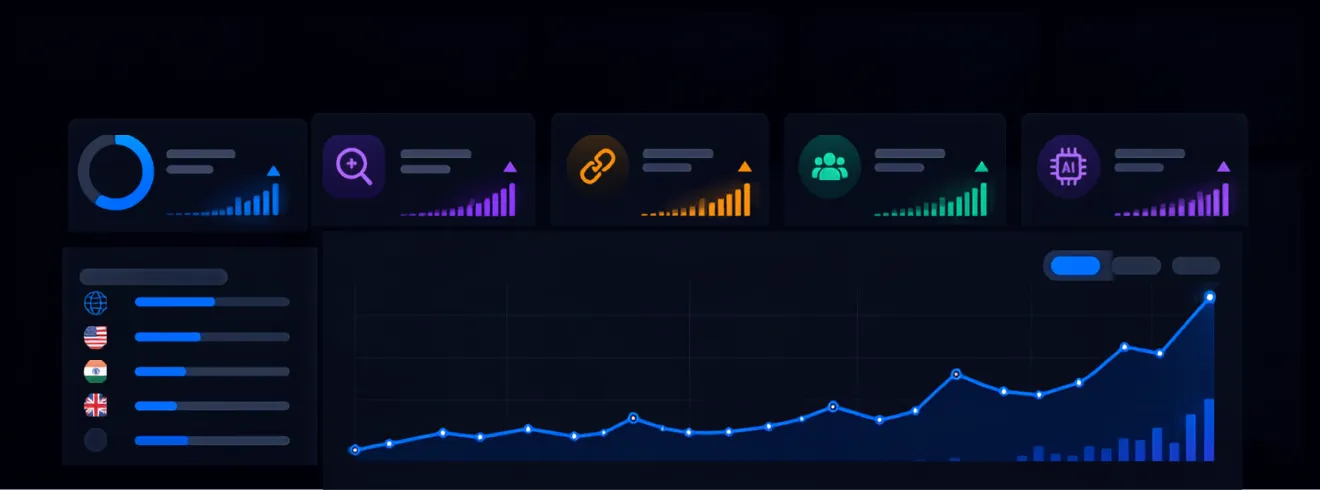
Rankings matter, but traffic alone isn’t the goal. We track your website traffic to understand where visitors come from, which pages they engage with, and whether that traffic creates meaningful business opportunities. We also track AI traffic to understand how visitors from AI platforms discover and interact with your website.
We connect search with content and conversion. A page shouldn’t exist just to rank; it should answer the query, build trust, and guide the right visitor towards the next step.
That’s how SEO becomes part of a wider digital marketing strategy—helping you attract the right audience, understand where your traffic comes from, and turn search visibility into measurable business growth.
Digital platforms produce infinite numbers. Traffic, impressions, followers and clicks can show activity, but they don’t prove marketing is generating valuable outcomes. Analytics is useful when it shows what works, what fails and where customers drop out.
Your digital marketing strategy should connect metrics to business questions:
| If you notice this | What to investigate |
|---|---|
| Traffic rises, but enquiries stay flat. | Check traffic relevance, page clarity and calls to action. |
| Ads get clicks, but leads are expensive. | Review targeting, the offer and landing-page friction. |
| Social engagement is strong, but website visits are low. | Check whether the content creates a meaningful next step. |
| Rankings improve, but conversions do not. | Review search intent and the pages receiving that traffic. |
| Leads increase, but sales reject many. | Revisit audience definition, messaging, and qualification. |
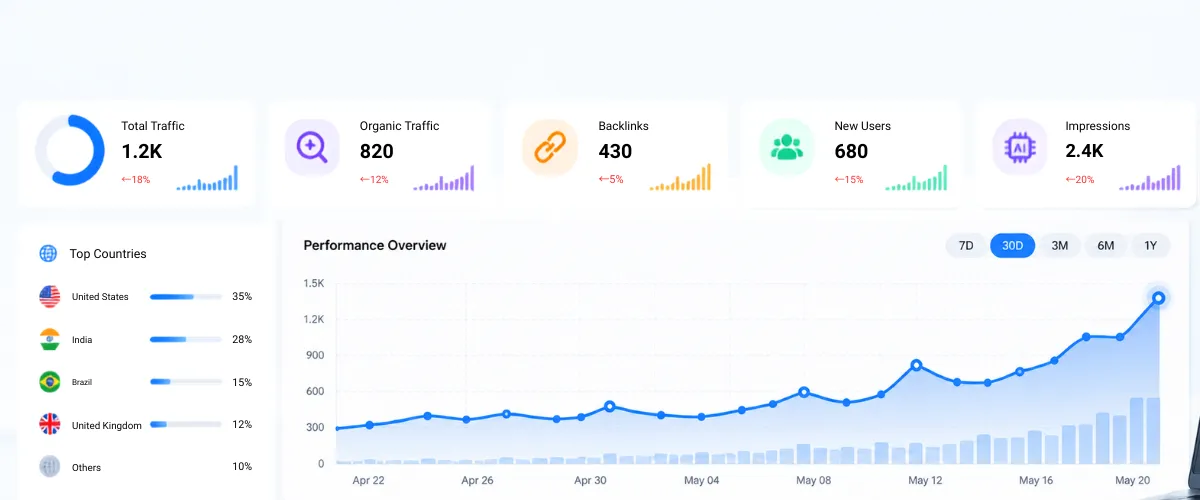
A business may have grown from referrals, offline relationships, or traditional promotion. Those channels still may matter. The issue is that they are asked to bear growth, while customer discovery and evaluation are increasingly conducted online.
Established businesses can keep working harder with an old approach, rather than change how they attract customers. That’s the risk of falling behind while competitors keep pushing forward.
You don’t have to change everything that works. Find out where the current model is not working, or is too dependent on one source of business. A well-planned SEO strategy can help identify where search can create a more consistent source of relevant traffic and potential customers.
This is often where a broader creative agency perspective becomes useful. We look at brand, website, content, search and campaigns together, so the answer is not automatically “run more ads” or “post more often.”
When results slow down, adding another tactic isn’t always the answer. It’s more useful to identify the bottleneck first and fix what is holding growth back.
Growing your business online is not about doing more marketing—it’s about making the right parts of your digital strategy work together. SEO, content, website experience, paid marketing and analytics should all support the same business goal: attracting the right audience and turning that attention into meaningful action.
If traffic is growing but leads are not, or rankings are improving without increasing enquiries, the answer may not be another marketing channel. Start by finding the biggest gap in your customer journey, fix it, measure the outcome, and then improve the next stage.
At Blacklisted, we help businesses build a practical digital marketing strategy around search intent, content, creative, conversion and measurable results. From improving SEO visibility to tracking website and AI-driven traffic, the focus stays on what contributes to sustainable growth.
Want to grow your business online? Start by identifying what is holding your marketing back and fix that before spending more on what isn’t working.

We are your go-to source for everything digital. We cover marketing tips, design trends, new tech, and how to build your brand. Every post has useful information to keep you updated and ready to tackle the digital world. It’s not just articles; it’s a way to learn, grow, and connect with others navigating the same digital journey.