case study


B2B SEO builds trust for longer business decisions. B2C SEO removes hesitation for faster consumer action. The right strategy depends on who buys, how they search, what they need before converting, and how your website turns intent into growth.
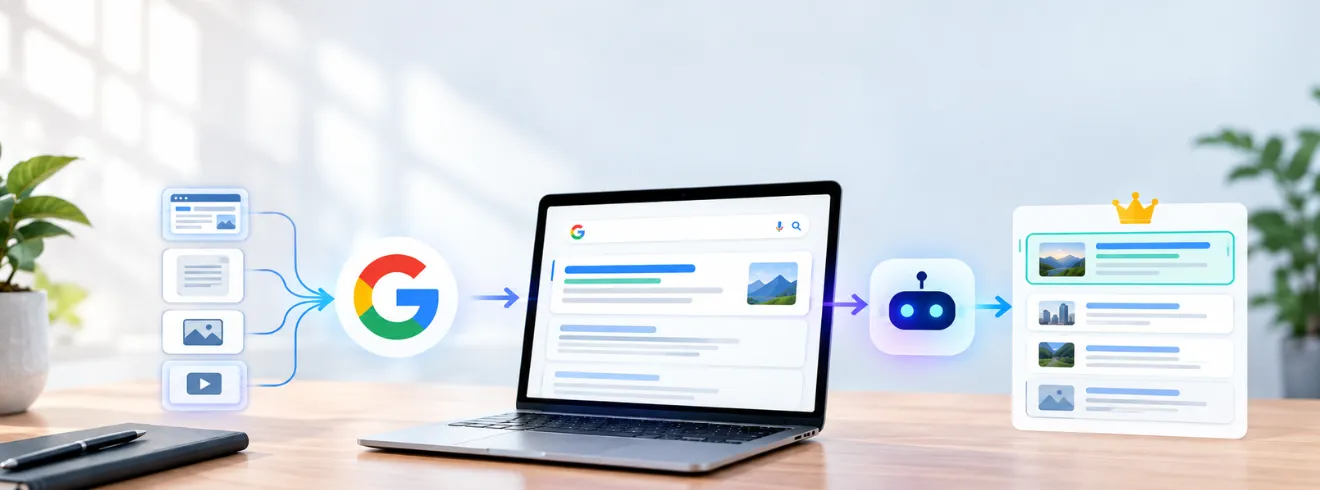
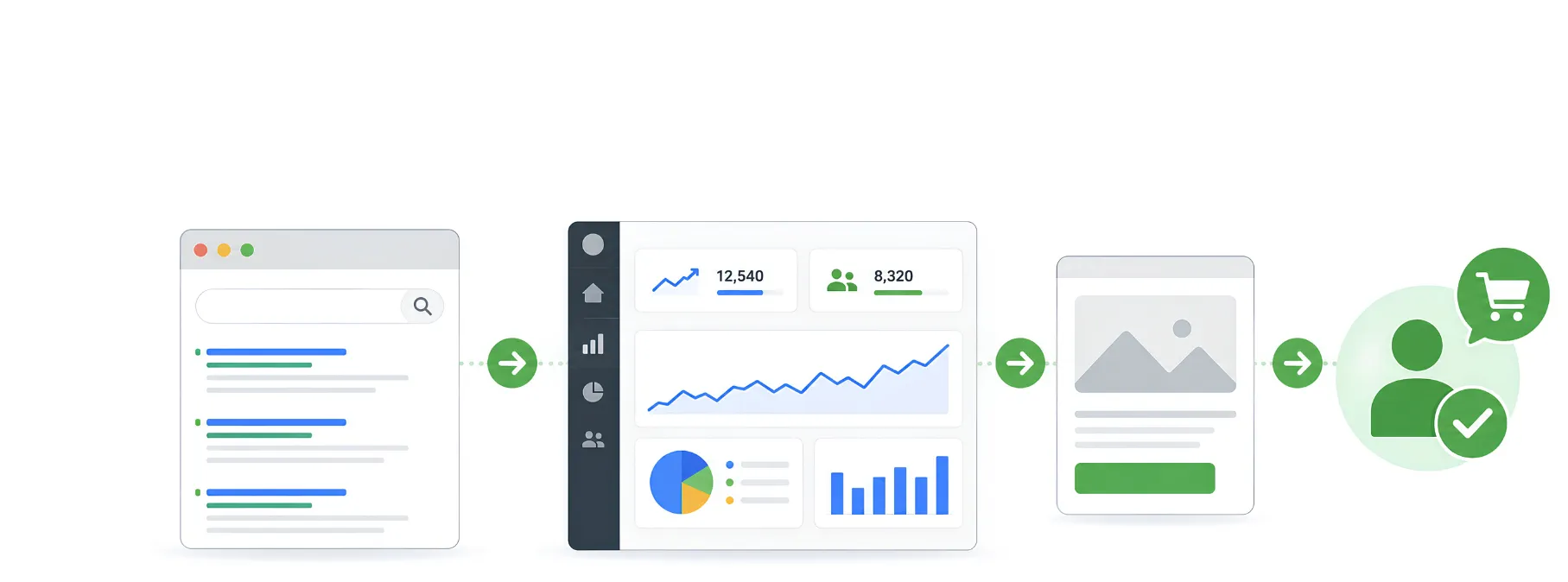
B2B vs B2C SEO differs in audience, search intent, buying journey, and conversion goals. B2B SEO focuses on attracting business decision-makers through trust, expertise, and research-driven content, while B2C SEO helps brands reach individual consumers through faster answers, reviews, convenience, and purchase-focused experiences.
The right SEO strategy depends on how your customers search and make decisions. B2B buyers usually require more information before converting, whereas B2C customers often look for quick solutions and confidence before taking action.
In this guide, we will explore the key differences between B2B vs B2C SEO, including keywords, content strategy, rankings, and conversions, so businesses can build a smarter approach that matches their audience.
Stop using generic SEO tactics. Build a customer-focused SEO strategy with Blacklisted, a creative agency in India, that attracts the right audience and turns search visibility into meaningful business growth.
Before comparing B2B vs B2C SEO, it is important to understand that both business buyers and individual consumers now research heavily before taking any action, but they do it for different reasons.
For example, in the B2B model, buyers want independence and control. According to a survey, 67% of B2B buyers prefer a rep-free experience, which means they want to compare solutions before talking to sales.
Whereas in B2C, the challenge is with speed and confidence. A report states that the average documented online cart abandonment rate is 70.22%, which shows how easily consumers leave when a page fails to remove hesitation.
This is why the same SEO formula cannot work for both. B2B SEO must support research, trust, and long decision cycles. B2C SEO must support discovery, quick clarity, and faster buying decisions.
At Blacklisted, we look at SEO through the lens of business model first. Before deciding on content topics or target keywords, we ask sharper questions, like ‘Who is buying?’ Why are they buying? And how long does it take them to decide?
Let’s understand both marketing approaches further.

B2B SEO is the process of optimising a website to attract, educate and convert other businesses.
The target audience of a B2B business is usually not one casual buyer. It may include a founder, department head, finance team, operations manager, and technical evaluator, etc.
This makes the buying process more layered. This is exactly where B2B SEO becomes powerful. It helps businesses show up when buyers are researching problems, comparing vendors, and building internal justification.
A business likely needs B2B SEO if:
B2B ranking is seldom about chasing huge keyword volumes. It’s about ranking for searches that show real business intent.
For example: The keyword “CRM software” may have high volume, but “CRM software for real estate teams in India” may bring a smaller yet more qualified audience.
This is often the hidden strength of B2B SEO.
A good B2B ranking system usually has:
The best B2B content does not simply answer, “What is this?” But it answers, “Why should my company trust this solution?” That is why it is imperative for us, at Blacklisted, as a leading SEO agency in India, to create content that supports both search visibility and sales conversations.

B2C SEO is the process of optimising a website for individual consumers to attract and convert.
These buyers are typically making personal decisions. They are swayed by price, convenience, reviews, emotions, social proof, offers, visuals and urgency.
A B2C buyer may search for keywords like “best running shoes”, “affordable skincare for oily skin”, “South Indian restaurant near me” or “birthday cake delivery today”.
The purchase journey of B2C is often shorter than B2B, although high-value categories like jewellery, education, travel and electronics may still involve research.
India’s online audience makes B2C search especially important.
DataReportal’s Digital 2026 India report states that India had 1.03 billion internet users at the end of 2025, with internet penetration at 70%.
That scale makes B2C SEO highly competitive but also full of opportunity. Brands that rank for product, category, local, and comparison searches can capture buyers at the moment of discovery or decision.
B2C SEO helps brands rank by matching consumer intent quickly and clearly. Unlike B2B, where a buyer may spend weeks reading guides and comparing vendors, a consumer may decide within minutes if the page gives them confidence. With the rise of conversational searches, voice search SEO also helps B2C brands capture natural, question-based queries and connect with customers at the right moment.
Important ranking elements include:
A good B2C SEO plan connects rankings with conversion rate optimisation. Traffic without purchases is just digital footfall with no billing counter.
Comparison between B2B vs B2C SEO is not just about the customer. It completely transforms the entire search process.
The first step to a smart SEO strategy is identifying what journey your website needs to support. Here are the key differences:
| Factor | B2B SEO | B2C SEO |
|---|---|---|
| Target audience | Targets companies, founders, directors, managers, procurement teams and department heads. Usually the buyer is making a business decision that affects budget, operations or revenue. | Focuses on individual customers or households. The buyer is usually buying for themselves based on need, preference, convenience, emotion, or price. |
| Search intent | Solution-led and research-heavy. Users often research to understand a problem, compare vendors, calculate ROI, or reduce risk before contacting a company. | More immediate and action-led. Users search to get products, compare prices, read reviews, find nearby options, or make quick purchase decisions. |
| Keyword style | Uses specific, long-tail, lower-volume keywords related to industries, use cases, services, software, compliance, and solutions. They may bring fewer visits but higher-quality leads. | Uses wider, higher-volume keywords around products, categories, offers, locations and trends. These searches can bring more traffic but require stronger conversion optimisation. |
| Content depth | Requires detailed content such as guides, case studies, whitepapers, comparison pages, service pages and industry-specific resources to educate multiple stakeholders. | Works better with clear, persuasive and visually engaging content such as product pages, category pages, reviews, buying guides, FAQs and short helpful blogs. |
| Sales cycle | Usually longer because decisions involve approvals, budgets, demos, proposals and internal discussions. SEO supports multiple touchpoints before conversion. | Usually shorter because buyers can often decide independently. SEO must reduce hesitation quickly and encourage purchase, booking, calls, or visits. |
| Conversion goal | Focuses on lead-based actions such as demo requests, consultation bookings, quote forms, proposal enquiries and sales calls. | Focuses on direct actions like add to cart, purchase, booking, app download, calls, enquiries or store visits. |
| Trust signals | Needs evidence such as case studies, client logos, certifications, testimonials, clear processes, data, expert content and industry experience. | Requires reviews, ratings, return policies, delivery information, product photos, offers, social proof and easy contact options. |
| Ranking approach | Builds authority through topical depth, niche relevance, technical clarity and content matching business problems. It ranks through precise intent rather than only search volume. | Builds visibility through product optimisation, mobile UX, local SEO, reviews, rich snippets and high-volume commercial keywords. |
| KPIs | Measures qualified leads, MQLs, SQLs, pipeline value, conversion quality, cost per lead and assisted revenue. Lead quality matters more than traffic volume. | Measures organic sessions, sales, conversion rate, revenue, average order value, repeat purchases, store visits and calls. |
| SEO mistakes to avoid | Publishing generic blogs that generate traffic but fail to attract decision-makers or support the sales team. | Adding unnecessary complexity when users need quick clarity, strong visuals, trust signals and a smooth buying journey. |
A strong SEO strategy begins with business reality, not keyword tools. Before creating content, define the buyer, the buying journey, and the conversion goal.
Your SEO should prioritise depth, expertise and lead quality. Focus on problem-solving pages, industry-specific landing pages, service pages, case studies and comparison content.
Your keyword plan should include:
For example, instead of only targeting “automation software”, a B2B company might target “workflow automation software for manufacturing teams”. The volume may be lower, but the intent is sharper.
Your content should also support multiple stakeholders. A founder wants growth impact, a technical head wants integration clarity, and a finance team wants cost justification.
Your SEO strategy should prioritise product discovery, speed, mobile experience and trust. Consumers need quick answers and fewer reasons to hesitate.
Your keyword plan should include:
For B2C brands, product and category pages often deserve more attention than blogs. Blogs can support discovery, but the real revenue engine usually sits in optimised commercial pages.
We build our SEO strategies around how a business actually sells. As a trusted SEO agency in India, we do not use the same structure for every brand, be it a B2B manufacturer, a skincare brand, a restaurant chain, an education brand, or an e-commerce website. Each business needs a different search map.
| Brand | Business Type | SEO & Digital Strategy Approach |
|---|---|---|
| Fima Carlo Frattini | Luxury faucet and bathroom fittings brand targeting architects, project planners and premium specification audiences. | Our B2B focus was to make the brand easier for professional audiences to understand and trust. We strengthened its digital presence through refined product catalogues, architecture-led visuals, technical product clarity and campaign amplification around industry-facing activations such as OTT Fest Mumbai. |
| Ethnic India Handicrafts | High-end home decor and handicrafts brand competing in the premium e-commerce space. | Our B2C approach focused on building stronger lifestyle appeal through art direction, premium storytelling, social media communication and visually led content that made products more desirable, not just available. |
The right SEO plan should not only aim towards ranking. It should move the right visitor towards the right business action. For B2B brands, we build authority, clarity, and decision confidence. For B2C brands, we build discovery, desire and faster customer action.
Connect with us to learn more about how we’ve helped brands enhance their digital presence.
B2B and B2C SEO are different because people buy differently. B2B buyers look for trust, expertise, and confidence before making a decision, while B2C buyers focus on discovery, comparison, and quick action.
Both need SEO, but the strategy should match the audience. Instead of only asking “How do we rank?”, focus on “What does our audience need to choose us?”
The right SEO approach helps you reach the right people, build trust, and turn search visibility into real business growth.
Ready to create an SEO strategy that fits your business? Talk to our SEO experts today.

We are your go-to source for everything digital. We cover marketing tips, design trends, new tech, and how to build your brand. Every post has useful information to keep you updated and ready to tackle the digital world. It’s not just articles; it’s a way to learn, grow, and connect with others navigating the same digital journey.