


 case study


Choosing between Google Ads and social media ads depends on your business goals. Google Ads is great for reaching people who are actively searching, delivering fast, measurable results. Social media ads, on the other hand, are ideal for building brand awareness, trust, and engagement through visual content. Most businesses see the best results with a balanced mix of both.
Online advertising has revolutionised how brands engage with customers. The days of using only print ads or TV commercials are gone. Now, businesses have access to reliable digital platforms such as Google and social media to target highly specific audiences.
With more than 5.24 billion social media users worldwide and billions of searches performed every day on Google, both platforms present enormous opportunities for digital marketing. Which one is best for your business, though? The decision depends on what you are trying to achieve, your product or service, and the way your audience is behaving online.
Let’s examine the difference between Google Ads and social media marketing to see which will be the most effective choice for your digital marketing campaign.
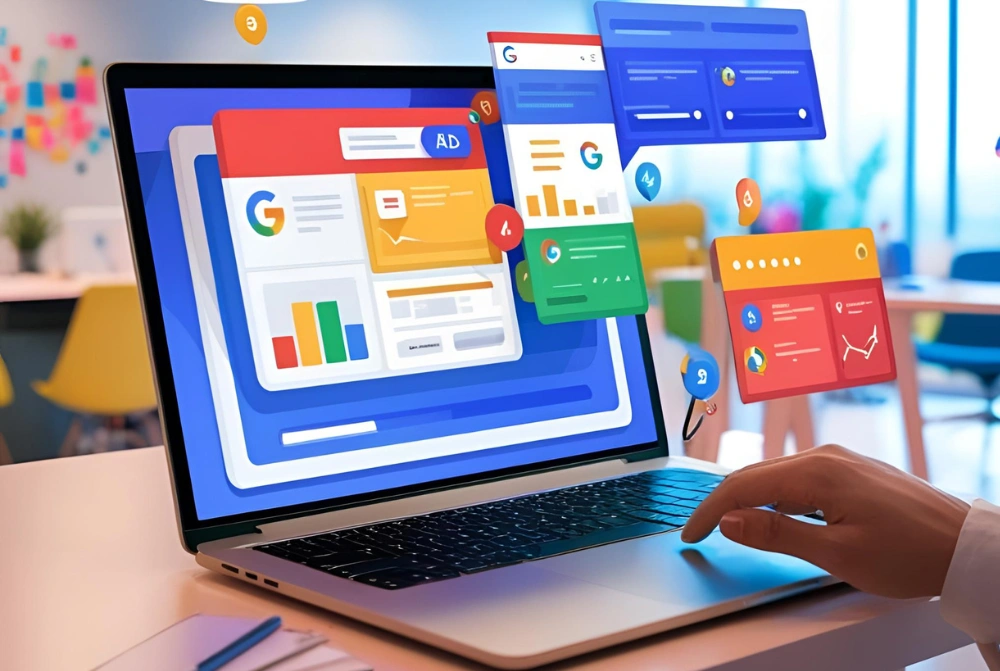
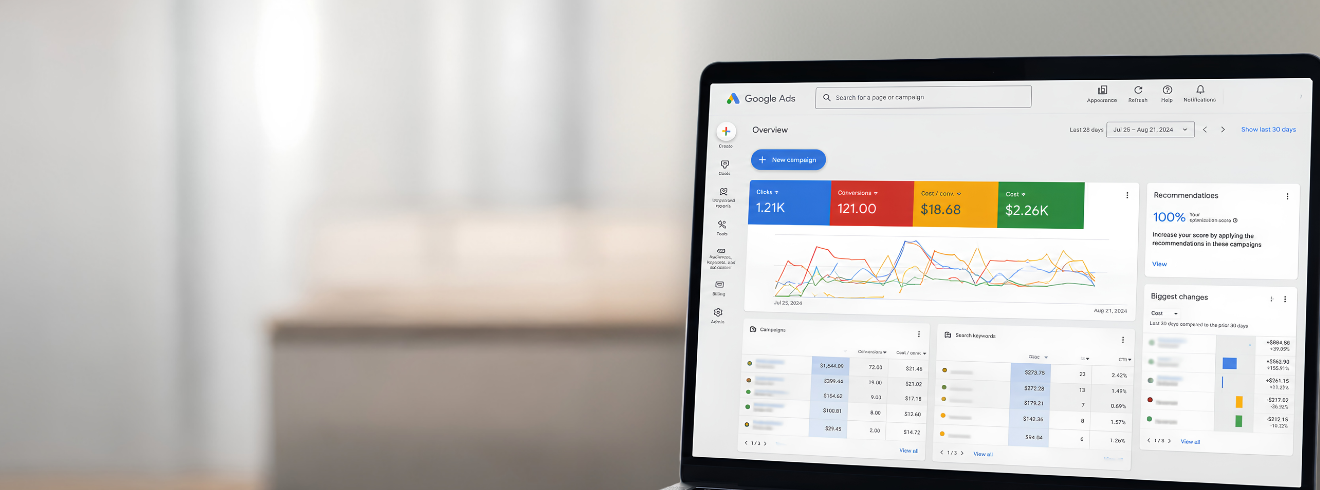
Google Ads (also known as PPC or pay-per-click marketing) is paid marketing platform that enables you to appear to the right people who are already looking for a product or service. You choose keywords that are relevant to your company, and your ad shows up when someone searches for those terms on Google. It’s intent-based, so users already know what they’re looking for—they just need to find the correct supplier.
Here’s why you should use Google Ads:
Google Ads connects you with the people who are actually searching for your product or service. You’re appearing to the right audience at the right point of decision.
The moment your campaign is built, you can publish it in hours. You can start getting clicks on your ads instantly, making Google Ads one of the fastest advertising platforms.
If you have a local business, Google Ads allows you to show your ad to only people in a specific city, area, or even a couple of kilometres from your store.
With Google Analytics, you can track every impression, click, and conversion—so you know just how your digital marketing investment is performing.
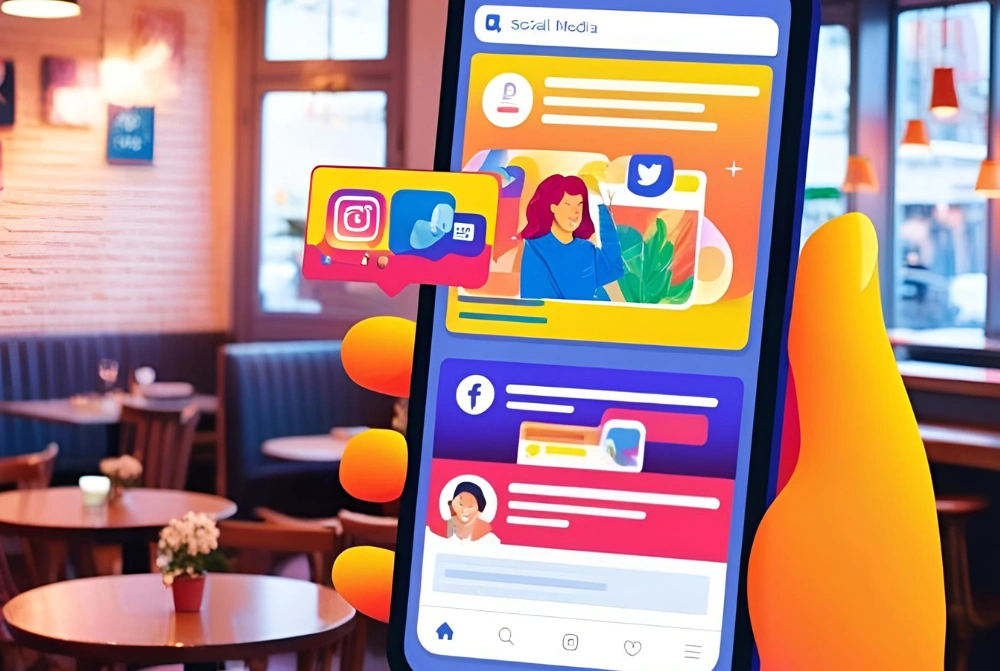
Social media sites like Facebook, Instagram, and LinkedIn are great ways to expose your brand to new people and engage your existing ones. Unlike Google, people here aren’t actively searching for your product, but they’re investing time browsing, scrolling, and discovering things. Social media ads help you to reach a new audience beyond your followers.
Ads on social media are visual, interactive, and ideal for branding stories. You can show lifestyle photos, short videos, product tutorials, or testimonials. Whether you’re introducing a new product, promoting an offer that lasts only for a while, or building a community, social media marketing can be utilised to build trust in the long run.
Here’s why you should use social media paid marketing:
From carousels to Reels and Stories, social ads allow you to take advantage of rich media to emphasise your brand personality and product value.
While Google search relies on keywords, social ads can target users by demographics, interests, behaviours, job titles, and even life events.
Regular ads on social media platforms keep your brand visible and compel users to engage and remember your brand.
Understanding how the two platforms differ will help you decide where to invest first or how to balance your ad strategy.
Google Ads rely on high intent—users are searching with a particular need in mind. Whereas, social media ads focus on users who are browsing and are thus perfect for product discovery and early-stage awareness.
Google mainly caters to text-based ads with limited visual content. Social media, on the other hand, provides formats such as images, videos, carousels, and stories that are perfect for home decor, fashion, and lifestyle brands.
Google employs keyword targeting, location, time, and device. Social ads have more to do with user profile information—age, gender, interests, occupation, behaviour, and even retargeting past interactions.
Both platforms offer flexible options. If your goal is to target potential buyers on a broader level, Google ads might be a suitable option. However, if you want to reach new audiences quickly, social media ads are the option for you.
Google ads and social media ads are both great paid marketing platforms. Google Ads targets the people actively searching for your product or service, and social media is where you can promote your brand and find your potential customers.
Google Ads can yield direct results when your audience is actively searching for your services. If you’re establishing a brand, introducing a product, or need to stay ahead of your competitors, social media marketing might give you more value.
Most of the time, a hybrid strategy is the best for businesses. Begin with your top priority—awareness, leads, or sales—and try both platforms.
Having trouble developing the proper campaign combination? Contact our experts at Blacklisted and we can assist in creating a better paid advertising strategy.

We are your go-to source for everything digital. We cover marketing tips, design trends, new tech, and how to build your brand. Every post has useful information to keep you updated and ready to tackle the digital world. It’s not just articles; it’s a way to learn, grow, and connect with others navigating the same digital journey.


Social Media Ads: Building Relationships and Awareness