case study

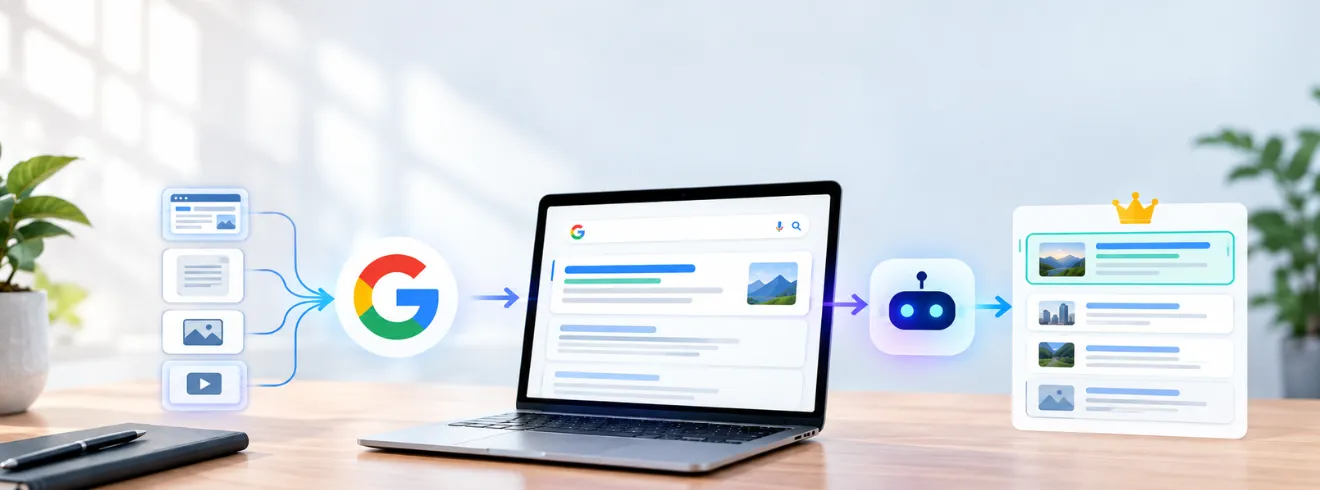
Google must discover, crawl, render, and index a webpage before it can rank. Strong visibility in 2026 depends on useful content, technical accessibility, trustworthy evidence, search intent, and local relevance. These same foundations also support appearances in AI Overviews and other evolving online search experiences.
Search engine basics are the fundamental processes search engines use to discover, crawl, understand, index and rank webpages for a user’s search query.
Google does not search the entire live web from scratch every time someone searches. Instead, it discovers webpages, processes their content, stores information in its index and retrieves relevant pages when a search is performed.
In 2026, these fundamentals still matter even as Google introduces AI-powered search experiences such as AI Overviews and AI Mode. The way information is presented is changing, but websites still need to be accessible, relevant, useful and indexable to compete for search visibility.
This guide explains how search engines work, how Google finds and ranks websites, what Google ranking factors mean, and how AI is changing search.
A search engine is a system that discovers, organizes, and retrieves information from websites and other online content based on a user’s search query. Google, Bing, and other search engines use automated systems to crawl webpages, store information in an index, and determine which results are most relevant to a query.
In simple terms, search engine basics start with three core processes:
The goal is to help users find relevant, useful, and reliable information as efficiently as possible.
For website owners, understanding how search engines discover, index, and rank content is the foundation of SEO. What Is SEO explains how search engine optimisation works and how it helps websites improve their visibility.
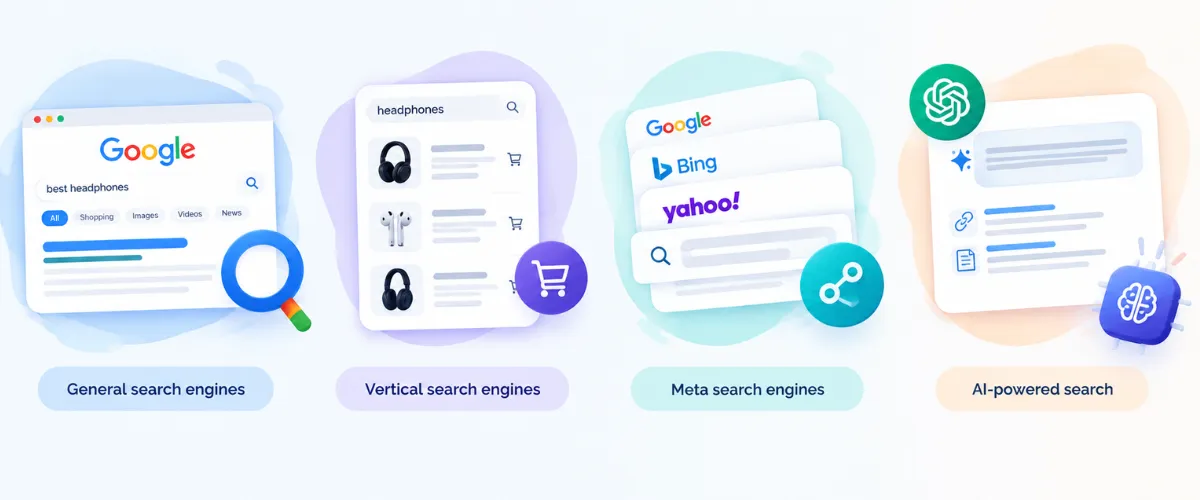
Search engines are not limited to general web search. Different types are designed to help users find different kinds of information.
For SEO, the most important point is that search engines organize and present information differently depending on the type of search and user intent. Understanding this helps businesses create content that matches how their audience searches.
At a basic level, search engines follow a process that can be understood as:
Each stage has a different purpose.
Before Google can crawl a webpage, it needs to discover that the URL exists.
Google can discover pages through:
An XML sitemap can help Google discover important URLs, but submitting a sitemap does not guarantee crawling, indexing or ranking.
After discovering a URL, Googlebot may crawl the page by requesting it from the website’s server.
Crawling can be affected by:
One important distinction is that robots.txt controls crawling, not indexing. If an accessible page should not appear in search results, a noindex directive is generally used instead.
Modern websites often use JavaScript to load navigation, products, images or other content.
Google can render JavaScript, but important content should remain accessible to search engines. If essential information depends on blocked resources or unavailable requests, Google may not process the page as intended.
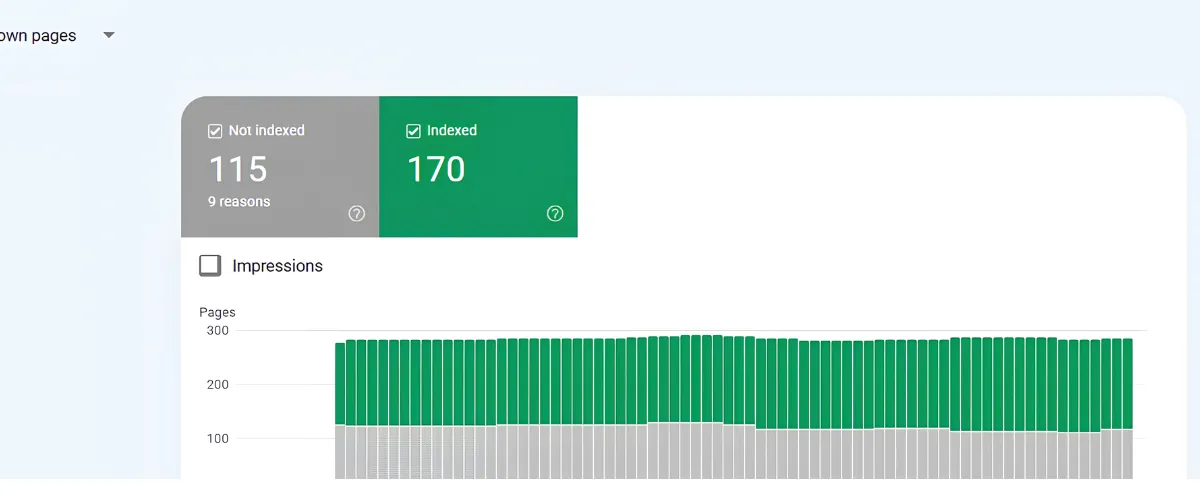
After crawling and processing a page, Google may decide whether to include it in its Search index.
During this process, Google can analyze the page content, identify duplicates and select a canonical version.
Common reasons a page may not be indexed include:
noindexCrawling does not guarantee indexing.
When someone enters a search query, Google’s automated ranking systems retrieve relevant information from its index and determine which results should be displayed.
This is where Google ranking factors become relevant.
There is no single public checklist that guarantees a page a particular position. Google uses many systems and signals to determine relevance and usefulness for a particular search.
The final stage is presenting information to the searcher.
Depending on the query, Google may show:
Being indexed makes a page eligible for Search, but it does not guarantee visibility or a particular ranking.
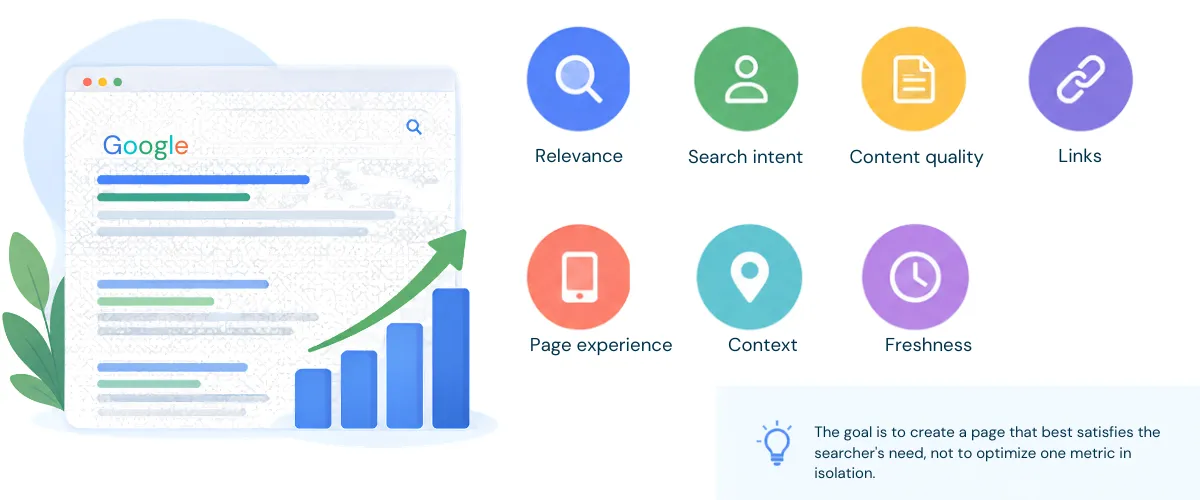
There is no fixed list of ranking factors that guarantees a particular position in Google Search.
Instead, think about the areas that help Google understand whether a page is relevant and useful:
Google also emphasizes that page experience involves multiple aspects rather than one isolated score.
The goal should therefore be to create a page that best satisfies the searcher’s need, rather than optimizing one metric in isolation.
Search intent is the reason behind a user’s query.
| Intent | Example | Suitable content |
|---|---|---|
| Informational | What is technical SEO? | Educational guide |
| Commercial | SEO agency in Chandigarh | Service or comparison page |
| Transactional | Buy running shoes online | Product or category page |
| Local | SEO agency near me | Local service page |
| Navigational | Google Search Console login | Official destination |
Understanding search intent also helps businesses create content for different stages of the customer journey. What Is an SEO Funnel explains how search queries and content can work together across different stages.
A search engine index is the collection of information that Google has processed and stored about webpages and other content.
You can think of it like a massive digital library.
Google does not normally start from the live web every time someone searches. Its systems retrieve relevant information from the Search index and then determine which results should be shown.
This creates an important SEO distinction:
Indexed does not mean ranked.
A page can be indexed and still receive little organic traffic because another page may be more relevant or useful for the query.
A search engine results page (SERP) is the page a search engine displays after a user enters a search query. For a deeper look at how SERPs work and the different features they can contain, see What Is a SERP.
A SERP may include:
The appearance of a SERP can change based on the search query, location, device and other context. This is why SEO is not only about ranking a webpage but also about understanding how search results are presented and what users are looking for.
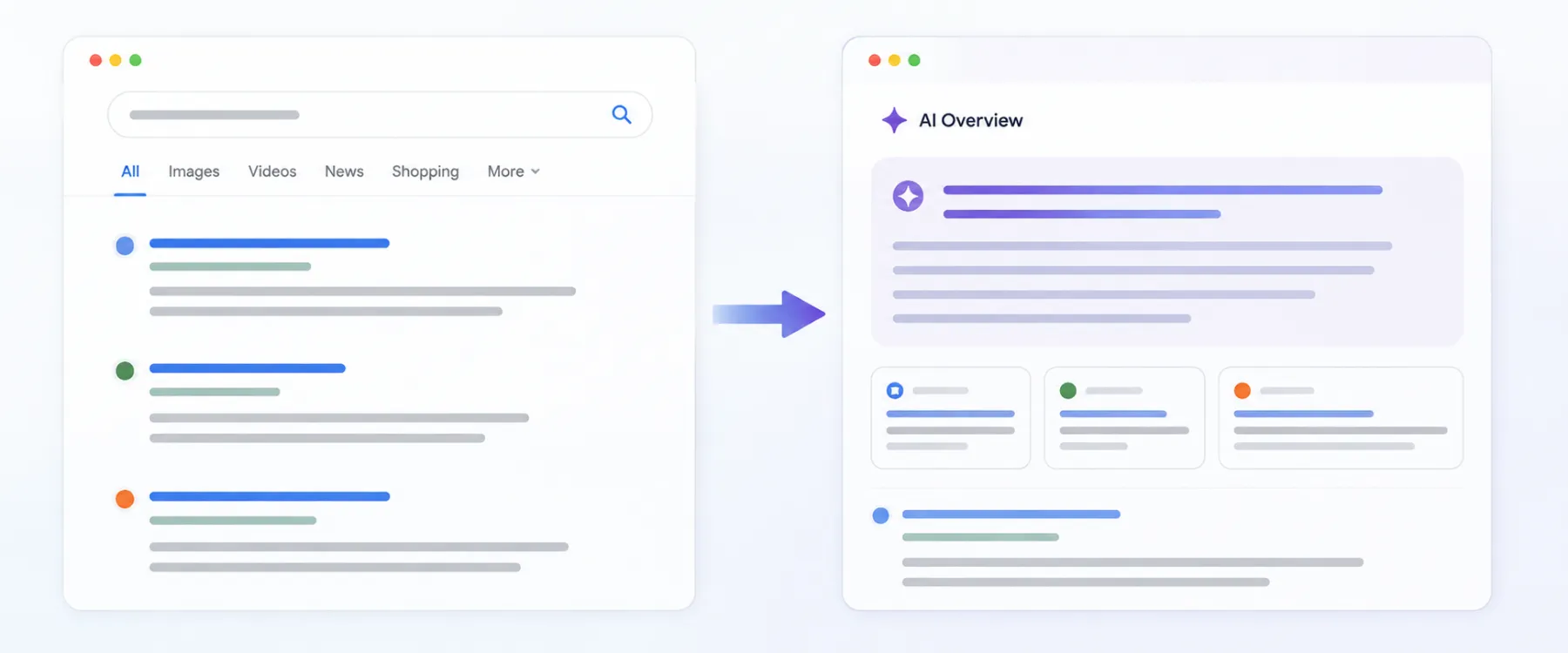
Search is becoming more conversational and increasingly includes AI-generated responses.
Google’s AI search experiences include AI Overviews and AI Mode, which can provide generated responses and links to supporting webpages.
However, AI search does not replace the fundamentals of SEO.
Google’s current guidance says there are no additional technical requirements or special schema required for AI features. Websites should continue following Google’s normal Search Essentials and SEO best practices.
This means your website should still focus on:
Google AI Overviews are AI-generated responses that can appear in Google Search for certain queries.
They can summarize information and include links to supporting webpages.
For publishers, this creates another search visibility surface, but there is no guaranteed formula for appearing in an AI Overview.
The best approach is to make important information clear, accessible, relevant and useful.
Google also recommends making important content available in textual form and continuing to follow its existing SEO guidance for generative AI features.

These fundamentals work best as part of a connected process rather than isolated tasks. Learn more about building an effective SEO strategy that combines technical, content and optimization activities.
Use logical internal links and an XML sitemap to help search engines discover important URLs.
Ensure Google can access important text, links, images and other page resources.
Create the type of page that actually satisfies the query rather than forcing a keyword into an unrelated format.
Answer the main question early, explain the topic clearly and add original information where it provides genuine value.
Connect related pages naturally so users and search engines can understand the relationship between topics.
Keep pages secure, mobile-friendly, readable and easy to navigate. Google notes that good page experience is broader than achieving a perfect Core Web Vitals score.
Structured data can help Google understand supported content, but it should accurately represent visible page content. Google does not require special structured data for AI Overviews or AI Mode.
Before publishing a page, check:
These practices can improve a page’s ability to be understood and processed by search engines, but they do not guarantee rankings or inclusion in AI features.
Understanding search engine basics makes modern SEO easier to understand.
Search engines still need to discover webpages, crawl and process their content, index useful information and retrieve relevant results when people search.
AI is changing how those results can be presented, but it does not remove the need for technically accessible, relevant and useful content.
As an experienced SEO Company in Chandigarh, Blacklisted can help identify technical issues, improve search visibility and build an SEO strategy around your business goals.
Build stronger search visibility today. Blacklisted is here to help.

We are your go-to source for everything digital. We cover marketing tips, design trends, new tech, and how to build your brand. Every post has useful information to keep you updated and ready to tackle the digital world. It’s not just articles; it’s a way to learn, grow, and connect with others navigating the same digital journey.