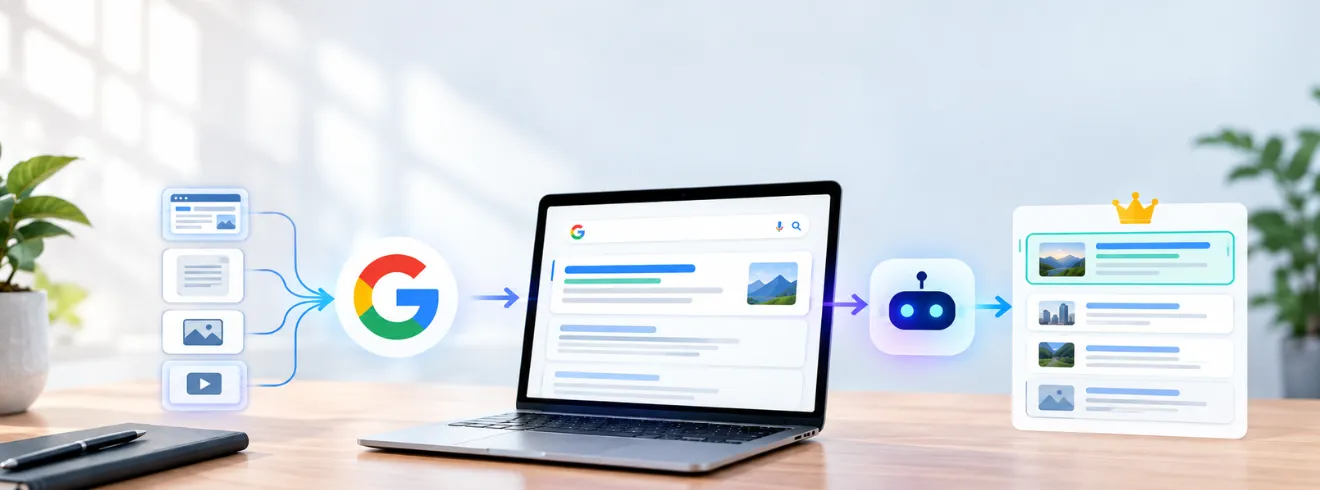
case study

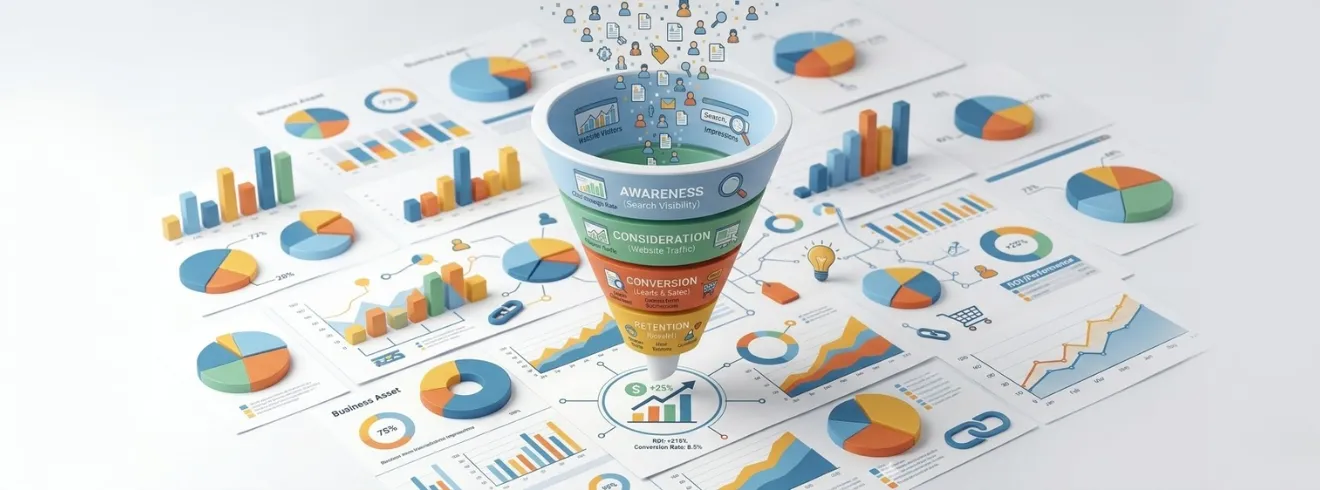
An SEO funnel helps businesses turn search traffic into real results by aligning content with each stage of the buyer journey. Instead of creating disconnected pages, it builds a clear path from awareness to decision, making your SEO strategy more focused, useful, and conversion-driven.
An SEO funnel is a structured way of guiding users from their first search to a meaningful action, such as contacting a business, requesting a quote, or making a purchase. A funnel in SEO connects search intent, keywords, content, internal links, and conversion opportunities across different stages of the customer journey.
Instead of creating content only to attract website traffic, an SEO funnel helps businesses provide the right information at the right stage. A user may first discover a brand through an informational search, later compare different solutions, and eventually visit a service or product page when they are ready to take action.
The main stages of an SEO funnel are TOFU (awareness), MOFU (consideration), and BOFU (decision). Each stage targets different search intent and requires content that matches what users are looking for.
A funnel in SEO helps businesses organize their search strategy around the different questions and needs a user has before taking action. To understand how search works and how webpages become visible to users, it is useful to start with search engine basics, including how search engines discover, crawl, index, and rank webpages.
For example, a person searching “what is SEO?” is still learning, while someone searching “SEO agency in India” is likely evaluating providers. Both searches can be valuable, but they require different content and different next steps.
This is where an SEO funnel becomes useful. Businesses can create content for each stage, connect related pages with internal links, and guide users toward more relevant information as their intent becomes clearer.
In practice, an SEO funnel connects three key elements:
This approach helps turn SEO from a collection of individual ranking pages into a connected journey that supports both users and business goals.
An SEO funnel helps businesses connect organic search traffic with the different stages of a customer’s journey. People rarely become customers after a single search. They may first look for information, then research different solutions, compare their options, and finally search for a specific product, service, or provider.
By creating content for these different stages, businesses can meet users with relevant information throughout the decision-making process. This makes SEO more than a way to generate website traffic it becomes a way to attract the right audience, build trust, and support conversions.
An effective SEO funnel can help businesses:
The key is to match the content and next step to the user’s search intent. Someone searching for general information may need an educational article, while someone searching for a specific service may be ready to contact a business.
Creating an SEO funnel starts with understanding what your audience searches for at different stages of their journey. The goal is to connect search intent, keywords, content, internal links, and conversion opportunities so users can move naturally from discovering a problem to choosing a solution.
| Step | What to Do | Example |
|---|---|---|
| 1. Understand Search Intent | Identify what your audience wants to know, compare, or purchase at each stage. | Informational, commercial, and transactional searches |
| 2. Map Keywords | Group relevant keywords according to search intent and funnel stage. | “What is SEO?” → TOFU |
| 3. Create Content | Create content that directly matches the needs and intent of users at each stage. | Guides, comparisons, case studies, service pages |
| 4. Add Internal Links | Connect relevant pages so users can move naturally to the next stage. | Blog → Strategy Guide → Service Page |
| 5. Add Conversion Paths | Provide a relevant next action based on the user’s intent and level of readiness. | Contact form, consultation, service page |
| 6. Measure & Improve | Monitor organic performance and conversions to identify opportunities for improvement. | Clicks, rankings, engagement, leads, conversions |

To make an SEO funnel work effectively, you need to understand how users’ search intent changes as they move closer to making a decision. Each stage requires different types of content, keywords, and conversion opportunities that match what users need at that point in their journey.
At the top of the SEO funnel, users are usually discovering a problem, learning about a topic, or looking for general information. They may not know which product, service, or solution they need yet, so their searches are generally informational.
For example, someone interested in SEO might search “what is SEO?”, “how does SEO work?”, or “why is SEO important?”
The goal at this stage is to attract and educate potential customers by answering their questions clearly and building familiarity with your brand. Blog posts, beginner guides, how-to articles, explainers, checklists, and educational resources can work well for TOFU searches.
At the middle of the SEO funnel, users have a better understanding of their problem and are actively researching possible solutions. Their searches often become more specific as they compare different approaches, tools, services, or providers.
For example, a user might search “how to create an SEO strategy,” “SEO agency vs freelancer,” or “B2B SEO strategy.”
The goal at this stage is to help users evaluate their options and build confidence. Detailed guides, comparison content, case studies, FAQs, and solution-focused resources such as a B2B SEO strategy guide can provide the information users need before making a decision.
At the bottom of the SEO funnel, users have identified what they need and are closer to taking action. Their searches often have commercial or transactional intent and may include specific products, services, providers, or pricing.
For example, someone may search “SEO agency in India,” “SEO services,” “B2B SEO agency,” or “SEO services pricing.”
The goal at this stage is to make the decision easier and provide a clear path to conversion. Service pages, product pages, landing pages, pricing information, testimonials, reviews, case studies, and clear calls to action can help turn qualified organic visitors into enquiries or customers.
The three stages work together rather than operating as separate parts. A user may discover your brand through a TOFU article, move to a MOFU guide through an internal link, and eventually reach a BOFU service page when they are ready to take action.

An SEO content funnel is a structured approach to creating and connecting content based on the different stages of a user’s search journey. Instead of publishing individual articles without a clear purpose, businesses can use a content cluster strategy to organize related topics and guide users from informational searches toward consideration and conversion.
A typical SEO content funnel moves from educational content to consideration-focused resources and, finally, conversion-focused pages:
For example, an SEO agency might publish a beginner guide explaining what SEO is, followed by a detailed article about how to create an SEO strategy, and then direct interested users to a relevant SEO service page.
Internal links connect these resources and help users discover the next relevant piece of content. This creates a more organized content journey, strengthens relationships between related pages, and helps search engines understand how the content fits together.
An SEO marketing funnel connects organic search traffic with the different stages of a customer’s buying journey. It helps businesses attract users through search, educate them with relevant content, build consideration, and guide qualified visitors toward a conversion.
A typical SEO marketing funnel follows this path:
For example, a user may first search for what SEO is and discover an educational article. After learning the basics, they may search for how to build an effective SEO strategy, compare different solutions, and eventually visit an SEO service page when they are ready to enquire.
The purpose of an SEO marketing funnel is not simply to increase organic traffic. It connects search intent, content, internal linking, and conversion opportunities so that SEO contributes to wider marketing and business goals.
This approach also helps businesses identify gaps in their customer journey. If a website receives plenty of informational traffic but generates few enquiries, it may need stronger consideration content, internal links, service pages, or conversion paths.
An SEO funnel works by connecting different pieces of content to match the user’s changing search intent. As users learn more about a problem and begin evaluating solutions, they can move from informational content to more specific and conversion-focused pages.
For example, consider a user looking for SEO services:
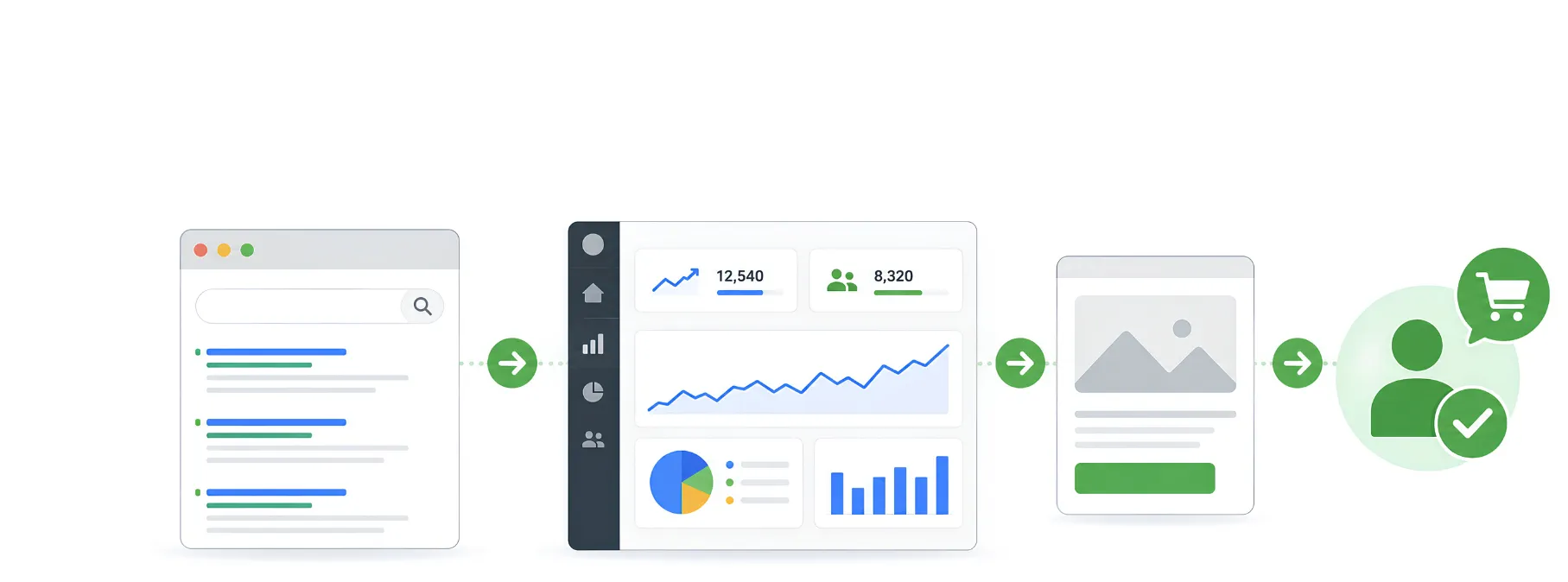
This journey shows how an SEO funnel connects search intent, content, internal links, and conversion opportunities. Each page serves a specific purpose, while relevant internal links help users move naturally from one stage to the next.
A strong SEO strategy does not expect every visitor to convert immediately. Instead, it provides useful information at each stage and creates a clear path for users who are ready to move forward.
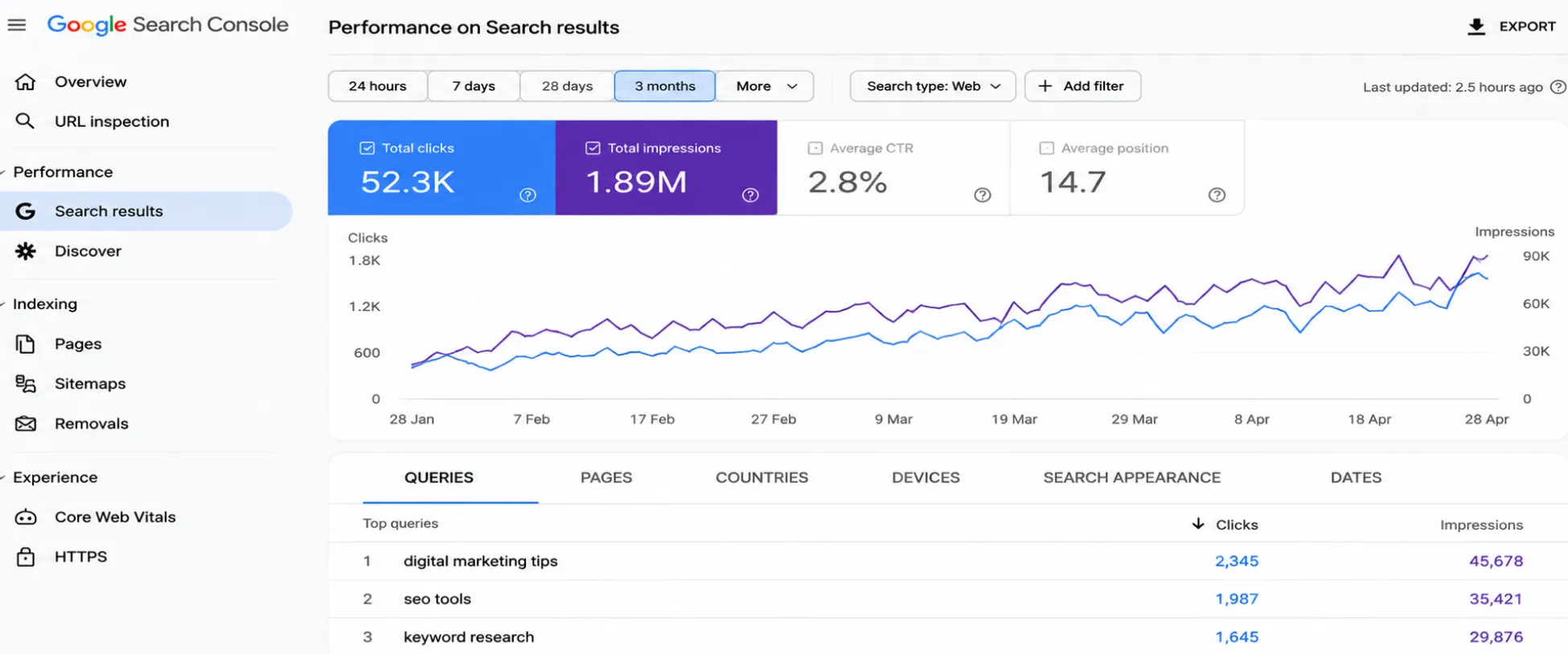
Measuring an SEO funnel means tracking how effectively your website attracts users, engages them with relevant content, and moves them toward a conversion. Instead of focusing only on rankings and traffic, measure performance at each stage of the funnel.
At the top of the funnel, focus on whether your content is reaching the right audience. Useful metrics include:
These metrics show whether your educational content is attracting users through relevant searches.
At the middle of the funnel, users are researching solutions and evaluating their options. Track metrics such as:
These indicators help you understand whether users are moving from informational content toward consideration.
At the bottom of the funnel, the focus shifts from visibility to business results. Important metrics include:
For example, a blog post may generate significant organic traffic but few enquiries. This could indicate a gap between informational content and the pages designed to convert visitors.
The most effective way to evaluate an SEO funnel is to connect these metrics rather than viewing each page in isolation. Look at whether users move from search → content → consideration → service page → conversion.
Regularly reviewing performance can help identify where users are dropping off and where your SEO strategy needs improvement. This allows you to strengthen content, internal links, calls to action, and conversion paths based on actual user behaviour.
An SEO funnel can generate strong results when each stage has a clear purpose. However, several common mistakes can prevent users from moving naturally from discovery to conversion.
| Common Mistake | Why It Hurts Your SEO Funnel | What to Do Instead |
|---|---|---|
| Creating Content Without a Funnel Strategy | Random content may generate traffic without creating a clear customer journey. | Give each content piece a clear purpose and connect it to relevant resources. |
| Targeting Only Informational Keywords | Informational traffic may not be enough to support conversions. | Target informational, commercial, and transactional search intent. |
| Ignoring Internal Linking | Users may struggle to move from educational content to consideration and conversion pages. | Use relevant internal links to connect related funnel stages. |
| Using the Same CTA Everywhere | Users at the awareness stage may not be ready to take a sales-focused action. | Match CTAs to search intent and the user’s funnel stage. |
| Measuring Only Traffic and Rankings | High traffic and rankings do not necessarily indicate business results. | Track engagement, internal navigation, leads, enquiries, and conversions. |
| Creating Content Without Clear Conversion Paths | Users may reach the end of an article without a relevant next step. | Link to related guides, comparisons, case studies, service pages, or contact opportunities. |
We don’t think of it as just a list of content or a way to rank things on its own. We make it a connected system where search visibility, user intent, content structure, and conversion goals all work together. That means we don’t just want to know what a page can rank for. We ask where it sits in the buyer journey, what question it needs to answer, and what action it should lead to next.
This is precisely why we take an approach that looks beyond creating blog entries or optimising our service pages. Our process involves understanding the intent of our audience and figuring out what’s missing to move them from awareness to decision.
What makes this effective is the perfect blend of strategy and execution. While we pay attention to making sure that the relevant traffic is generated, at the same time, equal emphasis is laid on the action taken after the user clicks. In case he lands on a page and does not know where to go, it is clear that the funnel has failed to perform its task. However, in case the exact requirement of the user has been fulfilled and they take the next logical step, it can be said that the funnel has served its purpose.
This is exactly the difference that we aim to make. We don’t make SEO funnels that only look good on paper. We make funnels that help brands find the right people, keep them interested, and turn search intent into real business.
Want to learn more? Feel free to connect with us anytime.
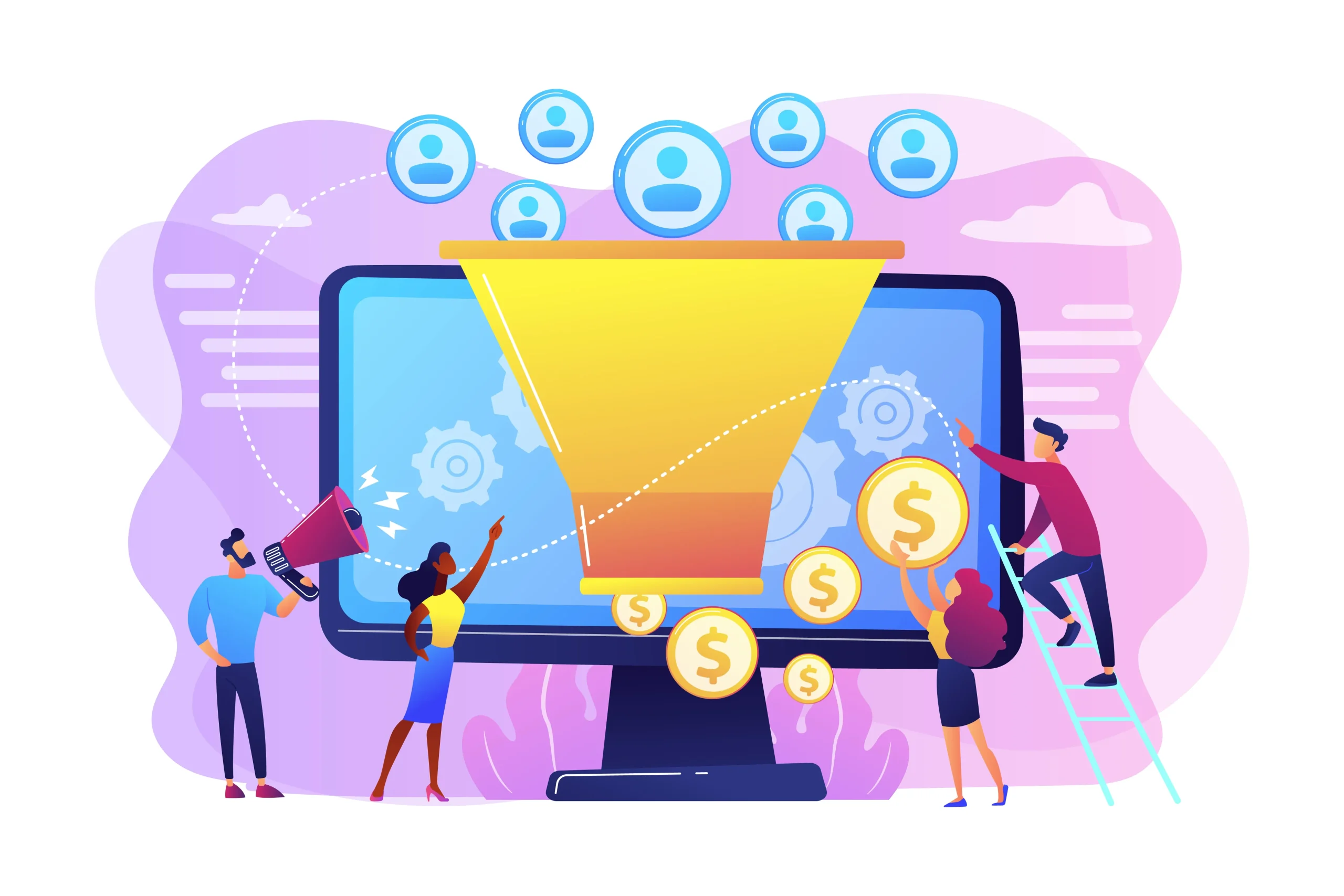
An SEO funnel turns search traffic into conversions by giving users a clear path from their initial search to a relevant business action. Instead of expecting visitors to convert immediately, the funnel provides useful information and appropriate next steps based on their intent.
For example:
A user might discover a website through an article answering a basic SEO question. After learning more, an internal link can take them to a detailed SEO strategy guide. From there, relevant content can introduce the business’s services, case studies, or other proof points before directing the user to a service page.
The conversion does not happen because of one page alone. It is the result of a connected journey where each page helps the user become more informed and confident.
To improve conversions from an SEO funnel:
When search intent, content, internal linking, and conversion opportunities work together, organic traffic becomes more valuable because users have a clear path toward becoming leads or customers.
An SEO funnel helps businesses turn organic search into a structured customer journey by matching content with search intent at every stage. From informational searches and educational content to consideration pages and conversion-focused service pages, each step should give users a clear and relevant next action.
A strong SEO funnel combines keyword research, an effective SEO strategy, content clusters, internal linking, and conversion-focused content to attract the right audience and guide them toward becoming leads or customers. Instead of measuring SEO only through rankings and traffic, businesses should also track engagement, enquiries, and conversions to understand its real impact.
For businesses looking for a creative agency in India, Blacklisted combines strategy, creativity, content, branding, and digital marketing to help brands build stronger online visibility and connect their marketing efforts with measurable business goals.
Ultimately, an effective SEO funnel is not about getting more traffic alone. It is about attracting the right users, answering their needs, building trust, and creating a clear path from search to conversion.

We are your go-to source for everything digital. We cover marketing tips, design trends, new tech, and how to build your brand. Every post has useful information to keep you updated and ready to tackle the digital world. It’s not just articles; it’s a way to learn, grow, and connect with others navigating the same digital journey.