case study


An SEO marketing strategy combines keyword research, content creation, technical SEO, link building, and performance tracking to improve search visibility and attract qualified traffic. By focusing on search intent, useful content, and continuous optimization, businesses can build sustainable organic growth.
An SEO marketing strategy is a plan for improving your website’s search visibility, attracting qualified organic traffic, and generating business results. It combines keyword research, content marketing, on-page SEO, technical optimization, link building, and performance tracking to connect your business with people actively searching for your products or services.
A successful SEO marketing strategy starts with understanding your audience and search intent, then creating useful content, optimizing your website, building authority, and continuously improving performance. Here’s how to build an SEO marketing strategy that supports long-term growth.


A well-planned SEO marketing strategy helps businesses turn organic search into a consistent marketing channel. Instead of creating content or optimizing pages without a clear direction, it helps you focus on activities that support visibility, audience growth, and business goals.
| Benefit | How It Helps Your Business |
|---|---|
| Increases Organic Visibility | Helps your website appear for relevant searches and reach more potential customers. |
| Attracts Qualified Traffic | Targets people actively searching for products, services, or information related to your business. |
| Builds Brand Credibility | Consistent visibility and useful content can strengthen trust and brand recognition. |
| Supports Content Marketing | Helps you identify topics and search queries your audience actually cares about. |
| Generates Long-Term Results | Optimized content can continue attracting organic traffic over time without relying solely on ongoing ad spend. |
| Improves User Experience | SEO encourages better site structure, clear navigation, helpful content, and a smoother user experience. |
| Supports Conversions | Targeting relevant searches and matching content to search intent can move visitors closer to taking action. |
| Provides Measurable Insights | Rankings, clicks, traffic, and conversions provide data to refine your SEO marketing strategy. |
Creating an SEO marketing strategy starts with understanding where your business currently stands and where you want organic search to take it. Instead of trying every SEO tactic at once, focus on the activities that align with your audience, competitors, search demand, and business objectives.
Start by deciding what you want SEO to achieve. Your goals could include increasing organic traffic, generating more leads, improving visibility for important services, or increasing sales from search.
Clear goals also make it easier to measure whether your strategy is working.
Find out who your customers are, what problems they are trying to solve, and how they search for information online.
Consider:
Understanding these behaviors helps you create an SEO strategy around real customer needs.
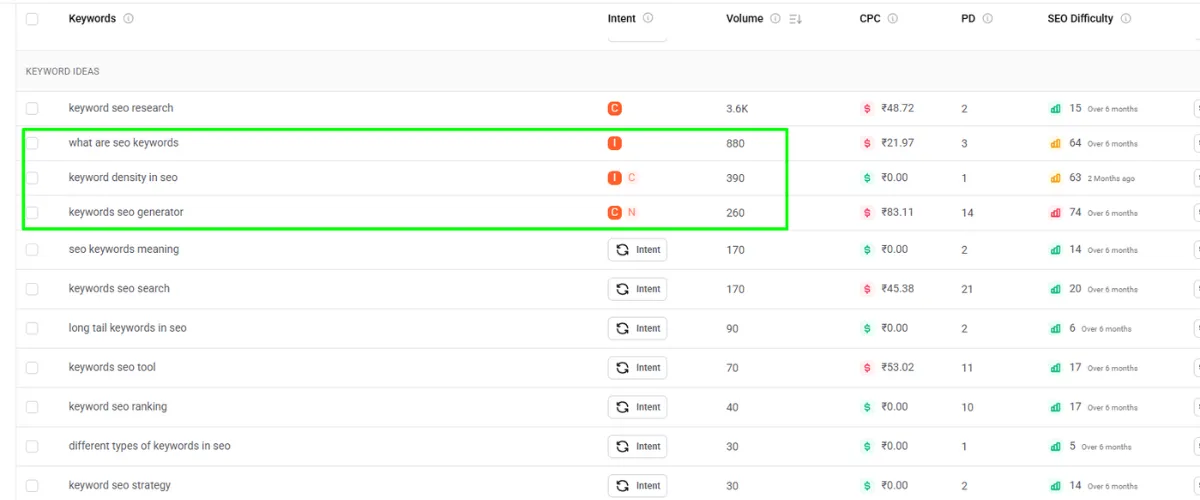
Understanding keyword in SEO starts with knowing what your target audience searches for when looking for products, services, or information. Identify relevant search terms and evaluate them based on search volume, competition, relevance, search intent, and business value.
Organize these keywords around important topics, services, products, and customer questions. This helps you create focused content and build an SEO marketing strategy around searches that can attract relevant visitors to your website.
Turn your keyword research into a practical content calendar. Decide which topics should become blog posts, service pages, landing pages, guides, or other formats.
Prioritize content that addresses important customer questions and supports your business goals.
Make sure your website provides a strong foundation for search engines and users. Optimize elements such as:
Earn relevant backlinks and mentions from credible websites. You can build authority through useful resources, digital PR, guest contributions, partnerships, and content that other websites genuinely want to reference.
Quality and relevance matter more than simply collecting a large number of links.
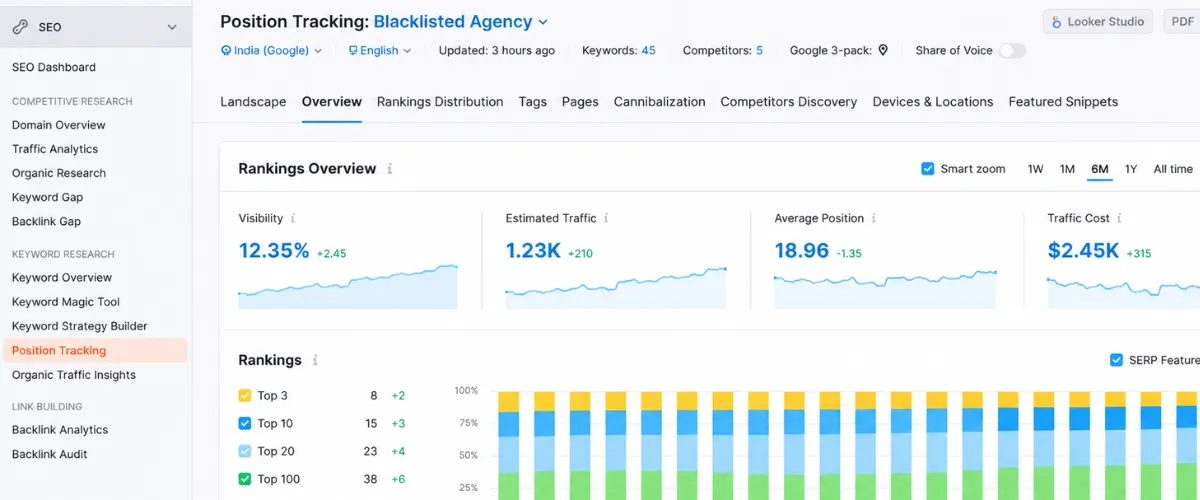
SEO requires ongoing refinement. Monitor organic clicks, impressions, rankings, traffic, conversions, and engagement to understand what is working.
Use these insights to update underperforming pages, expand successful topics, and adjust your priorities as search behavior changes.

An SEO content marketing strategy connects content creation with the searches and needs of your target audience. Instead of publishing articles simply to keep your blog active, it helps you create content with a clear purpose.
Start by mapping keywords to search intent and different stages of the customer journey. Then create content that answers specific questions, demonstrates expertise, and naturally guides readers toward relevant products or services.
A practical SEO content marketing strategy can include:
The aim is to create a connected content ecosystem where each page serves a purpose and supports your wider SEO goals.
The most effective SEO strategies are not necessarily the ones that produce the quickest ranking changes. They are the strategies that consistently align search visibility with audience needs and business objectives.
Some of the most useful approaches include:
The best approach will vary depending on your industry, audience, competition, website, and goals. A strategy that works for an e-commerce business may not be the right approach for a B2B company or SaaS brand.
Measuring your SEO marketing strategy involves looking beyond keyword rankings. The right metrics show whether your organic visibility is actually contributing to meaningful business outcomes.
| SEO Metric | What It Tells You |
|---|---|
| Organic Clicks | How many users visit your website from organic search results. |
| Impressions | How often your pages appear in search results. |
| Keyword Rankings | How your pages perform for your target search terms. |
| Organic Traffic | The number of visitors reaching your website through organic search. |
| CTR | How effectively your search listings encourage users to click. |
| Engagement | Whether visitors find your content useful and interact with your website. |
| Conversions | Whether organic visitors complete valuable actions such as enquiries, sign-ups, or purchases. |
| Leads & Revenue | The business value generated through organic search. |
Regularly reviewing these metrics helps you identify which pages and topics are performing well and where improvements are needed. An experienced SEO agency can also use this data to identify opportunities, refine campaigns, and align SEO performance with broader business goals.

We are your go-to source for everything digital. We cover marketing tips, design trends, new tech, and how to build your brand. Every post has useful information to keep you updated and ready to tackle the digital world. It’s not just articles; it’s a way to learn, grow, and connect with others navigating the same digital journey.