case study

To improve local SEO rankings, optimise your Google Business Profile, keep business details consistent, create helpful location pages, collect genuine reviews, publish relevant local content, improve mobile usability and track conversions. Prioritise accurate information and customer experience before investing in additional SEO activities.
Local SEO helps businesses appear in geographically relevant search results and connect with customers looking for nearby products or services. Improving local visibility requires accurate business information, an optimised Google Business Profile, useful location pages, genuine customer reviews, and a website that makes contacting the business easy.
For businesses targeting more customers in 2027, the priority is to build a trustworthy local presence rather than focus on rankings alone. The following seven-step local SEO checklist explains what to optimise, how to implement each improvement and which metrics to monitor to turn relevant searches into enquiries and sales.
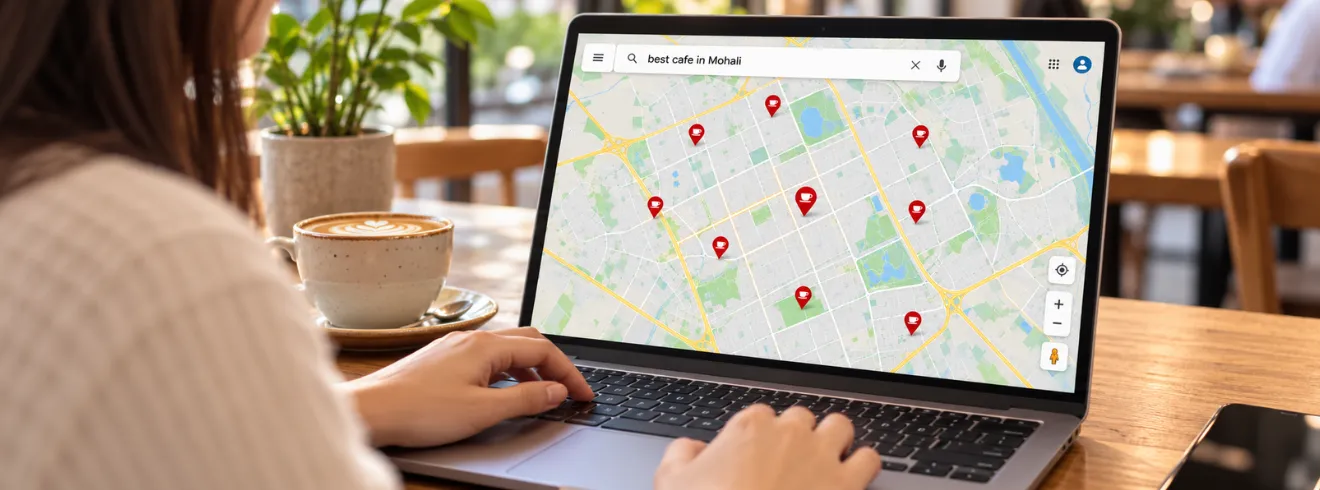
Local SEO is the process of improving a business’s visibility in search results for location-related queries, such as “dentist in Mohali” or “plumber near me.” It helps businesses reach people searching for relevant services in a particular geographic area. For example, businesses looking for an SEO company in Chandigarh can use local search results to compare providers, explore their services and find relevant contact information.
Unlike broader organic SEO, local optimisation also considers Google Maps, Google Business Profile and location-specific business information.
For example, someone searching for a clinic may need its address, opening hours, available treatments and appointment details before choosing a provider. Similarly, businesses evaluating an SEO company in Chandigarh may look for local expertise, service details, client results and clear communication before making a decision. A strong local presence helps customers find this information and make informed decisions.
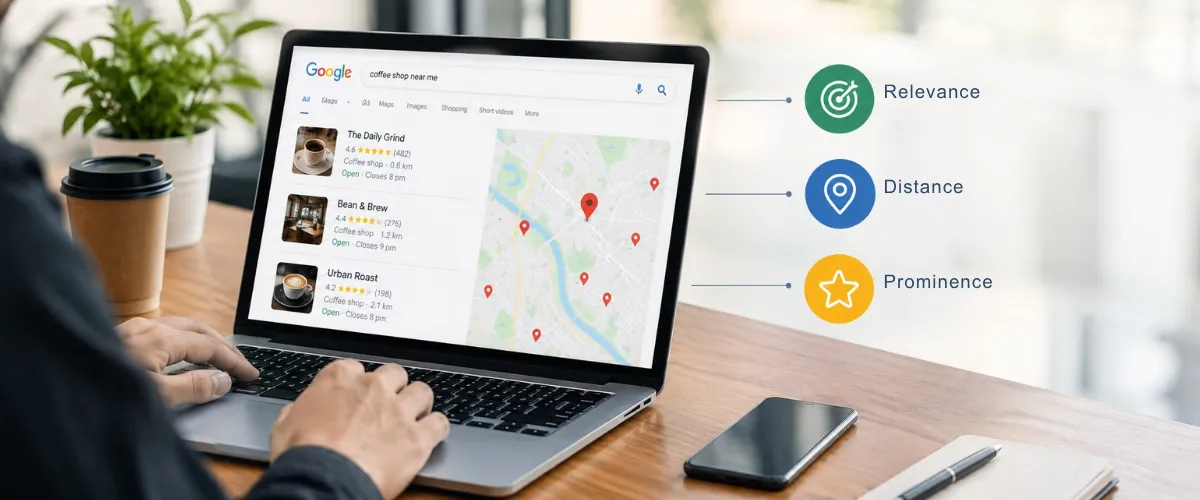
Google identifies three primary factors for local rankings:
According to Google’s official local ranking guidance, businesses should maintain complete, accurate information. No single optimisation guarantees a top ranking because results also depend on the search context and competition.
An accurate Google Business Profile helps customers discover your business, understand your services and find the information they need to contact you.
Practical tip: Correct inaccurate phone numbers, addresses and opening hours first. Then improve your categories, service descriptions and photographs.
Avoid adding unnecessary keywords to your business name to manipulate rankings. Your profile should accurately represent the real-world business.
Consistent business information helps customers find and contact the right business across search engines, directories and websites. Conflicting details can cause confusion when a business changes its address, phone number or name. Understanding search engine basics can also help businesses learn how search engines discover and organise website information, supporting a stronger foundation for local search visibility.
NAP stands for Name, Address and Phone number.
Prioritise reputable, relevant directories instead of submitting your details to every available listing website. Accuracy and relevance matter more than the number of listings alone.
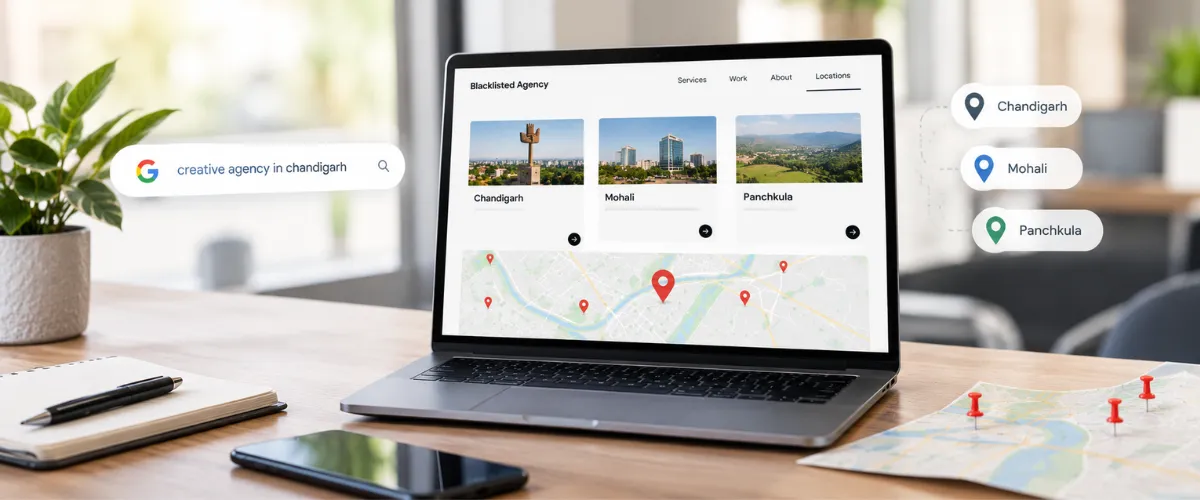
Location pages help businesses explain which services they provide in specific areas. They are particularly useful when customers need location-specific information before making an enquiry.
For example, an agency serving Chandigarh, Mohali and Panchkula can create dedicated pages explaining its services, availability and contact options in each area.
A useful location page answers real customer questions. Include genuine local projects, relevant service details or location-specific information wherever available. Do not create pages simply because a city has search volume.
Customer reviews help potential customers evaluate a business’s reputation and can contribute to local prominence. Google states that review quantity and positive ratings can help local ranking, although reviews are only one part of the overall ranking process.
Never purchase fake reviews or offer incentives in exchange for positive ratings.
Practical tip: Use review feedback to improve your website. If customers regularly ask about pricing, service availability or appointment processes, answer those questions on the relevant pages.
Useful local content addresses questions customers have about services, locations and purchasing decisions. It should provide practical information instead of repeating city names to target keywords.
For example, a home renovation company could publish seasonal home-maintenance advice relevant to Chandigarh, while a professional service provider could explain its booking process and service coverage.
Use Google Search Console, customer conversations and sales enquiries to identify relevant topics.
How does local content support AI search visibility? Clear explanations, specific examples and credible evidence make content easier for people and search systems to understand. However, no particular keyword density, heading format or word count guarantees inclusion in Google AI Overviews or LLM-generated answers.
At Blacklisted Agency, the focus is on creating useful content that addresses customer needs and supports organic visibility rather than publishing pages solely to target keywords.
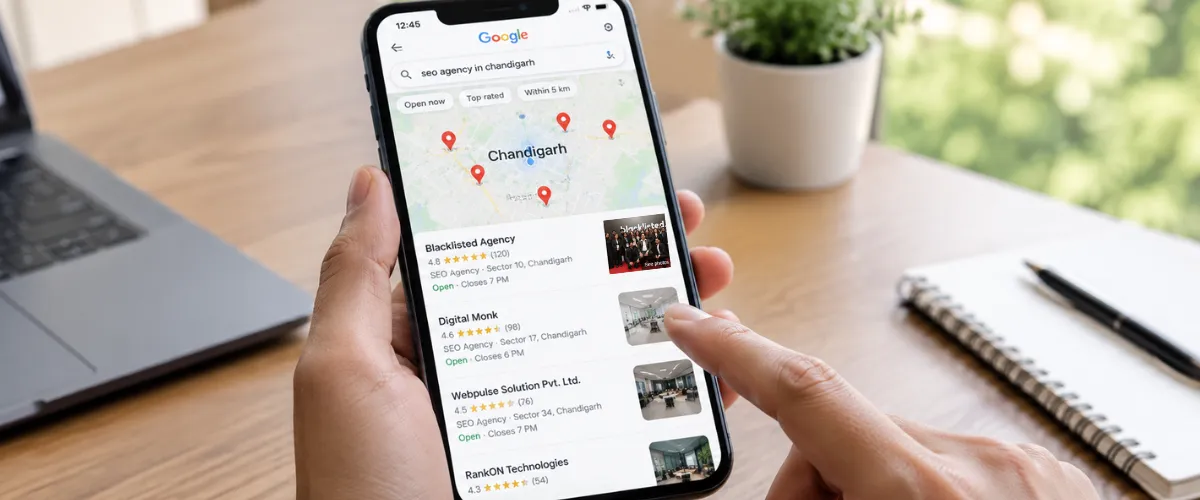
Mobile usability matters because customers often search for businesses when they need directions, want to call or are ready to book a service. A difficult mobile experience can prevent potential customers from taking action.
For example, if a location page attracts organic traffic but receives few enquiries, check whether the contact form works, the phone number is visible and the main call to action is easy to find.
Review the complete customer journey instead of assuming that slow loading is the only reason conversions are low.
To identify other problems that may affect website performance, explore these common SEO issues.
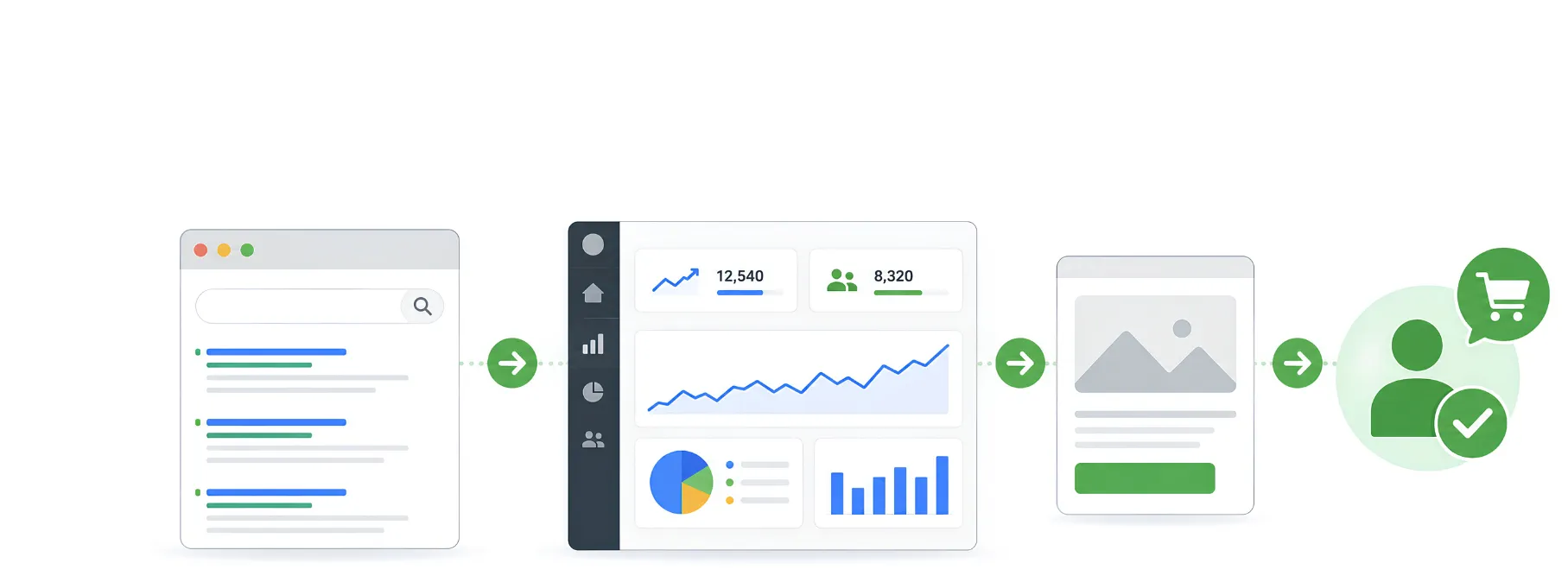
Measure local SEO through visibility, website engagement and business outcomes. Rankings and traffic show discoverability, while calls, bookings and qualified enquiries indicate whether that visibility creates business opportunities.
| Metric | What It Measures |
|---|---|
| Google Business Profile interactions | Calls, website clicks and direction requests, where available |
| Local keyword rankings | Visibility for relevant geographic searches |
| Location-page organic traffic | Visits to important location pages |
| Qualified enquiries and bookings | Potential business generated |
| Reviews and ratings | Customer feedback and reputation trends |
| Organic clicks and impressions | Search visibility and click-through performance |
Use Google Search Console to monitor organic queries, impressions, clicks and click-through rates. Use Google Analytics 4 to assess website behaviour and track configured conversions.
Compare equivalent periods and investigate changes before drawing conclusions. Seasonal demand and competition can influence results.
An effective SEO agency should connect reporting to business goals. Ten qualified enquiries may be more valuable than hundreds of visits from people outside your service area.
Use this prioritised plan to organise your work and focus on the improvements most likely to help customers.
| Priority | Action | Success Measure |
|---|---|---|
| First | Correct business and profile information | Accurate details and easier customer access |
| Next | Improve service and location pages | Relevant impressions, clicks and enquiries |
| Ongoing | Collect genuine reviews | Customer feedback and trust |
| Ongoing | Publish useful local content | Relevant search visibility and engagement |
| Monthly | Review rankings, traffic and conversions | Better-informed SEO decisions |
Start by correcting critical inaccuracies. Then improve important pages, strengthen customer trust and measure the results consistently.
For a broader approach to keyword research, content optimisation and technical improvements, read our guide to building an effective SEO strategy.
Local SEO helps businesses improve visibility in location-based searches, attract nearby customers and generate more relevant enquiries. To strengthen local search rankings, businesses should maintain accurate Google Business Profile details, keep business information consistent, optimise location pages, earn genuine customer reviews and publish helpful local content. Regularly tracking local rankings, organic traffic, calls and conversions helps identify what is working and where improvements are needed.
Blacklisted Agency helps businesses improve search visibility through strategic SEO services focused on local optimisation, website performance and measurable growth.

We are your go-to source for everything digital. We cover marketing tips, design trends, new tech, and how to build your brand. Every post has useful information to keep you updated and ready to tackle the digital world. It’s not just articles; it’s a way to learn, grow, and connect with others navigating the same digital journey.