case study


Google AI Overviews provide AI-generated answers to relevant searches, often with links to supporting webpages. To improve your chances of appearing in Google AI Overviews, create helpful, original and trustworthy content that directly matches search intent, demonstrates E-E-A-T, uses clear structure, and follows Google's SEO fundamentals.
Google AI Overviews are AI-generated summaries that appear in Google Search for relevant queries, often linking to webpages that provide useful supporting information. To optimise content for Google AI Overviews, focus on creating helpful, original and trustworthy content that directly satisfies search intent while following Google’s core SEO best practices.
There is no guaranteed trick or separate ranking formula for getting cited in an AI Overview. Google’s guidance states that its generative AI search features rely on existing Search ranking and quality systems, so strong SEO fundamentals still matter.
In this guide, you’ll learn practical ways to optimise your content for Google AI Overviews, improve its visibility across AI-powered Search, strengthen E-E-A-T signals, and create content that gives both users and search engines clear reasons to trust your website.
Ready to make your content more visible in AI-powered Search? Explore the strategies below and start optimising your content for Google AI Overviews in 2026.

Google AI Overviews are part of Google’s evolving Search experience, designed to help users understand complex or multi-step queries without having to open several webpages to piece together an answer.
They can appear within the search engine results page (SERP), which is the page Google displays after a user enters a search query. A SERP can include organic listings, ads, featured snippets, images, videos, local results, and other search features.
For an AI Overview, Google’s systems may draw on information from relevant webpages and present a concise response with links to supporting sources. The sources shown can vary depending on the query and the information Google considers relevant.
For SEO, the key point is that AI Overviews don’t replace traditional organic search. Your content still needs to be discoverable and meet Google’s quality and relevance expectations before it can be considered as a supporting source.
Want to understand how Google is adapting to AI-powered search? Explore our guide to Google Search AI to learn more about Google’s AI-driven search experience.
| Step | What Happens | Why It Matters for SEO |
|---|---|---|
| 1. User searches | A user enters a question or complex query in Google Search. | Understanding search intent helps you create content that answers what users actually want to know. |
| 2. Google interprets the query | Google analyses the query to understand the user’s intent and identify relevant information. | Clear, focused content makes it easier for Google to understand your topic and relevance. |
| 3. AI Overview is generated | For eligible queries, Google’s AI systems generate a summary using relevant information from its Search systems. | Helpful, accurate and comprehensive content gives Google useful information to consider for AI-powered results. |
| 4. Supporting sources appear | The AI Overview may include links to webpages that support or expand on the information provided. | Relevant, trustworthy and useful content can become a valuable supporting source. |
| 5. Users explore further | Users can click supporting links to verify information or explore the topic in greater depth. | Creating valuable content beyond a basic answer can turn AI-search visibility into organic traffic and engagement. |
Want to understand the wider shift toward AI-powered search? Explore our guide to
Google Search AI to learn how Google’s AI-driven search experience works.
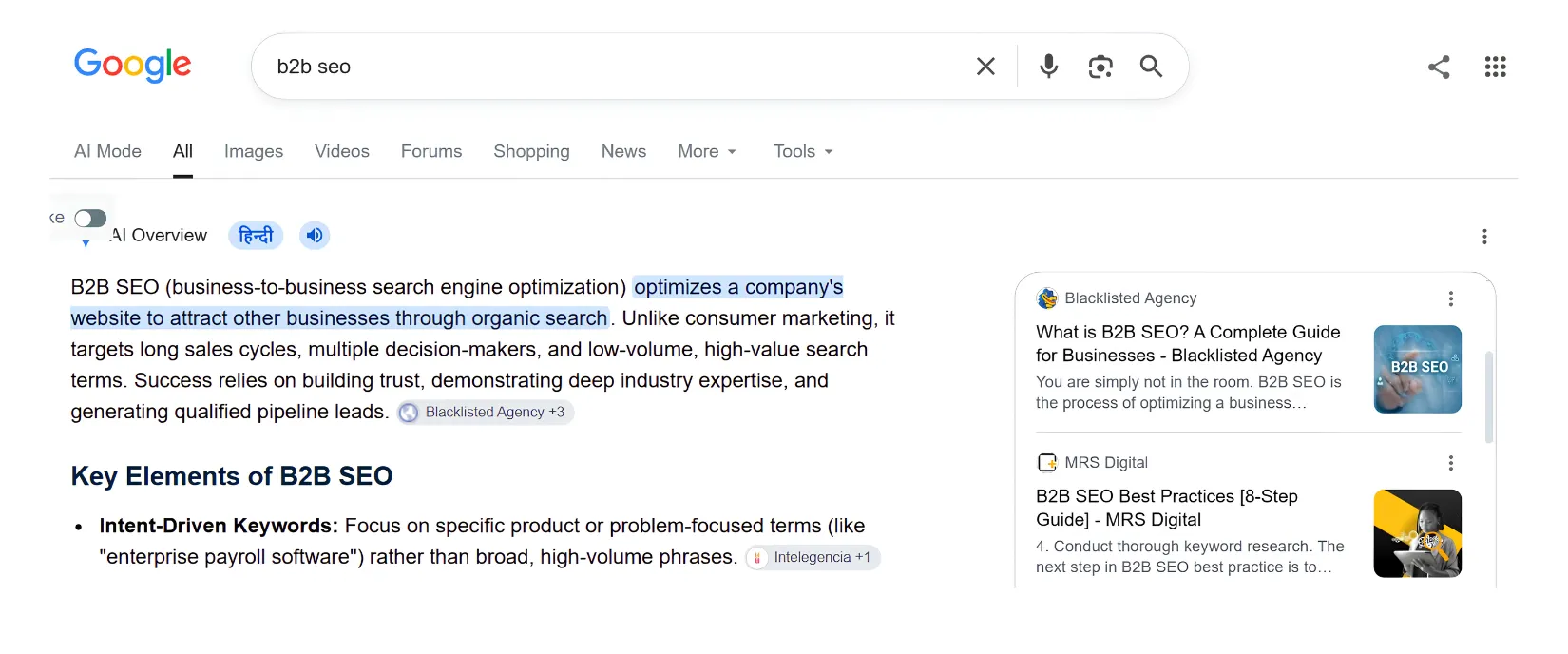
Google AI Overviews give users quick, AI-generated answers directly within Search, while links to relevant sources can help them explore a topic further. This creates another opportunity for businesses to gain visibility when their content is useful and relevant to a search query.
However, there is no guaranteed method to make a webpage appear in an AI Overview. Strong SEO fundamentals still matter, including search intent, helpful content, topical relevance, technical accessibility, clear structure, and trustworthy information.
An experienced SEO agency in India can help businesses optimise these areas by identifying content gaps, improving existing pages, strengthening internal linking, and aligning content with the questions their target audience actually searches for.
The goal isn’t simply to get mentioned in an AI Overview. It’s to build high-quality content that performs across traditional Google Search and AI-powered search experiences, giving your website more opportunities to attract relevant organic traffic and potential customers.

As search evolves, optimising content for AI-powered results requires more than traditional keyword targeting. Hybrid Engine Optimization (HEO) combines traditional SEO principles with optimisation for emerging AI-driven search experiences, helping businesses build content that remains useful across different search environments.
Start by answering the user’s main question directly. Don’t make readers scroll through several paragraphs before reaching the information they need.
Clear answers make your content easier for both users and search engines to understand.
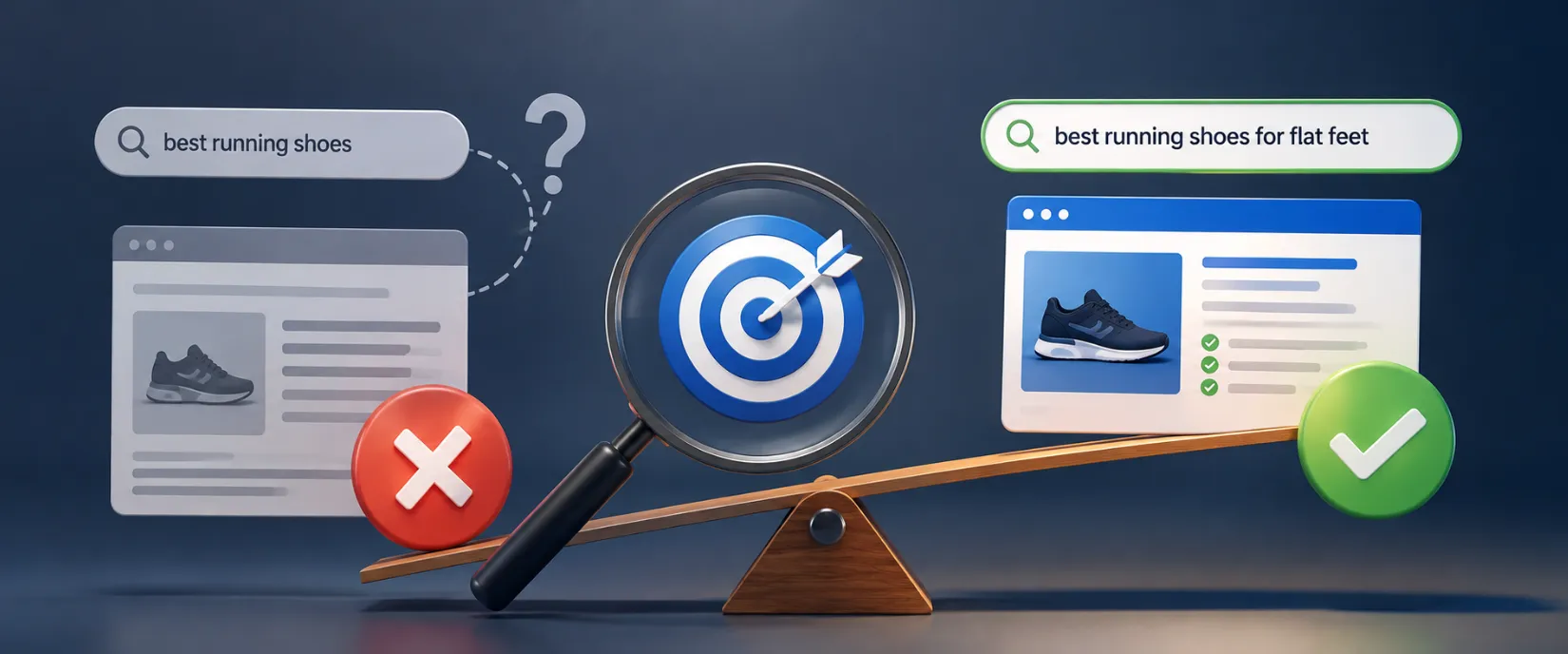
Use natural language and related terminology to cover the topic without forcing keywords into every paragraph.
Create content that answers the main query while addressing the important questions a user is likely to have next.
For example, an article targeting “how to optimise content for Google AI Overviews” shouldn’t only explain what AI Overviews are. It should also cover optimisation techniques, content quality, search intent, E-E-A-T, technical SEO, common mistakes, and practical examples.
The goal isn’t to make the article unnecessarily long. Cover the topic as completely as the user’s intent requires.
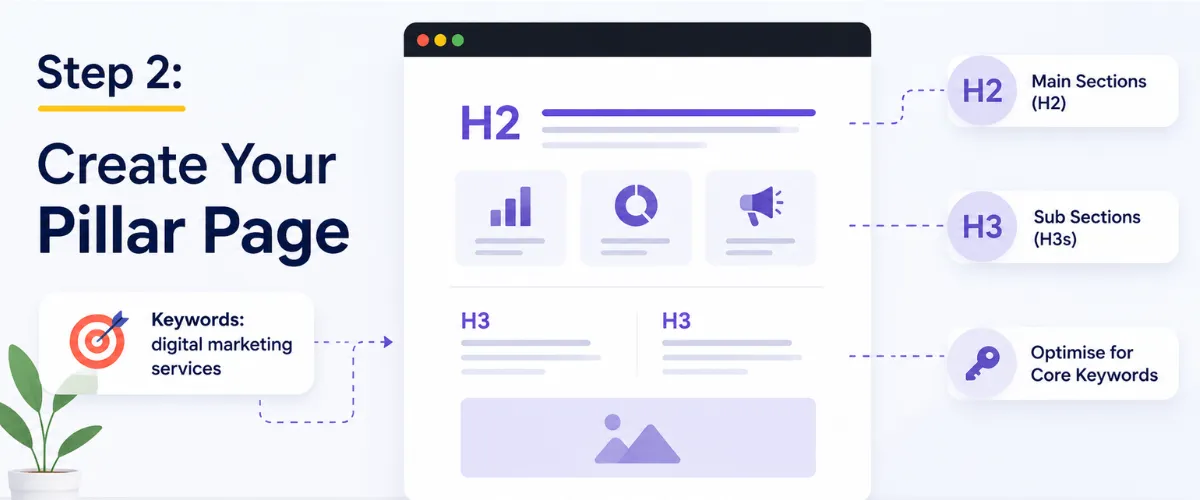
Organise your content with descriptive H2s and H3s so readers can quickly find the information they’re looking for.
A clear structure can include:
Make sure your headings describe the actual content that follows them rather than using headings simply to insert keywords.
Generic information is easy to reproduce. Adding original insights and first-hand experience gives your content more value and helps differentiate it from competing pages.
When discussing AI-powered search and content creation, comparing leading AI models can help you understand how different systems process information and generate responses. Explore our guide to ChatGPT vs Gemini for a detailed comparison.
Where relevant, include:
For example, instead of simply explaining how to improve SEO, show what you tested, what changed, and what the results were.
E-E-A-T stands for Experience, Expertise, Authoritativeness, and Trustworthiness. These principles can help you create content that demonstrates credibility and provides users with information they can trust. Learn more about E-E-A-T in SEO
Strengthen these signals by:
E-E-A-T isn’t a guaranteed formula for appearing in an AI Overview. Instead, it is part of creating reliable, helpful content that provides genuine value to your audience.
When your content includes statistics, research, industry data, or other factual claims, support them with reliable and relevant sources.
Prioritise:
Don’t add statistics simply to make an article look authoritative. Every fact should contribute something useful to the reader.
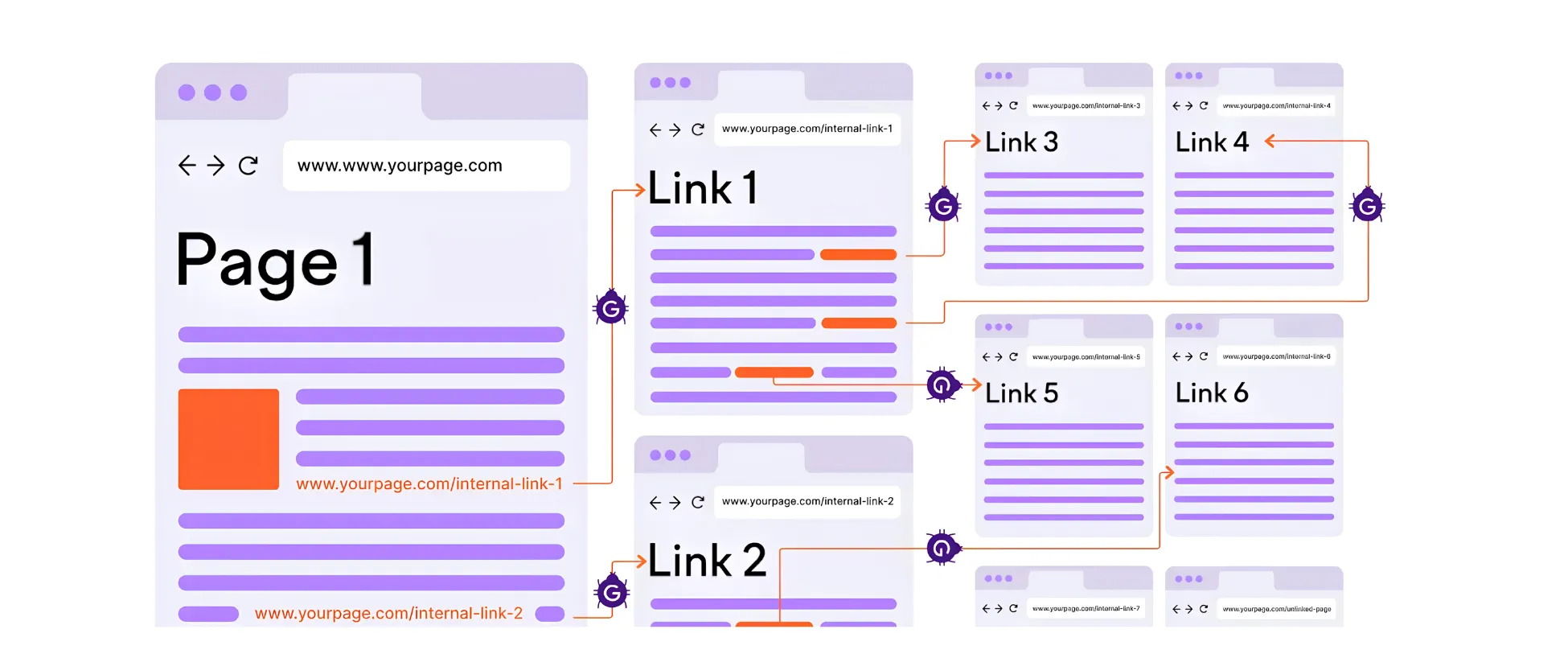
Use internal links to connect related pages and help users discover more information about a topic. For this article, you can naturally link to your guide on SEO strategy to help readers understand how a strong SEO foundation supports visibility in Google Search and AI-powered search.
Use descriptive anchor text that tells readers what they will find on the linked page rather than relying on generic phrases such as “click here.”
AI search and SEO are evolving quickly, so outdated information can reduce the usefulness of your content. Regularly reviewing and updating your articles helps keep them accurate and relevant.
Regularly review your articles to:
Once you start optimising for AI-powered search, measuring the results becomes equally important. Learn how to track AI traffic to your website to identify whether AI-driven visibility is bringing relevant visitors to your site.

Optimising for AI-powered search requires a combination of technical SEO, content strategy, search intent analysis, and strong content development. The professional assistance saves time and boosts your chances of getting picked up in Google’s dynamic search algorithm.
From an SEO perspective, optimising for AI-powered search shouldn’t mean rewriting every existing article around AI keywords. A better approach is to identify pages already receiving impressions, strengthen their answers, improve topical coverage, add relevant internal links, and monitor changes in organic and AI-driven traffic.
| Mistake | Why It Hurts Your Content | What to Do Instead |
|---|---|---|
| Keyword stuffing | Repeating keywords unnaturally can make content difficult to read and doesn’t satisfy search intent. | Use keywords naturally and focus on answering the user’s query. |
| Creating generic content | Rewritten or surface-level information offers little value beyond what is already available online. | Add original insights, examples, data, and first-hand experience. |
| Ignoring search intent | Content may target a keyword but fail to answer what users actually want to know. | Identify the query’s intent and structure your content around the user’s needs. |
| Making unsupported claims | Unverified statistics and factual claims can reduce credibility and trust. | Support important claims with reliable, relevant sources. |
| Overcomplicating content | Long paragraphs and unclear explanations make important information harder to find. | Use concise answers, descriptive headings, lists, tables, and examples. |
| Neglecting technical SEO | Crawlability, indexing, and accessibility issues can prevent Google from properly discovering and understanding your content. | Check indexing, internal links, robots.txt, sitemaps, and other technical SEO fundamentals. |
| Publishing outdated information | Old statistics, screenshots, or recommendations can make content less useful and trustworthy. | Review and update important content regularly, especially on fast-changing AI topics. |
Optimising content for Google AI Overviews in 2026 starts with the same foundation as good SEO: understand search intent, answer questions clearly, provide original and trustworthy information, and keep your content technically accessible and up to date. There is no guaranteed formula for appearing in an AI Overview, but creating genuinely useful content can improve your visibility across Google Search and AI-powered search experiences.
Want to improve your Google AI Overview visibility and attract more qualified organic traffic? Blacklisted can help you build an SEO and content strategy focused on search intent, E-E-A-T, technical SEO, and AI-powered search.

We are your go-to source for everything digital. We cover marketing tips, design trends, new tech, and how to build your brand. Every post has useful information to keep you updated and ready to tackle the digital world. It’s not just articles; it’s a way to learn, grow, and connect with others navigating the same digital journey.